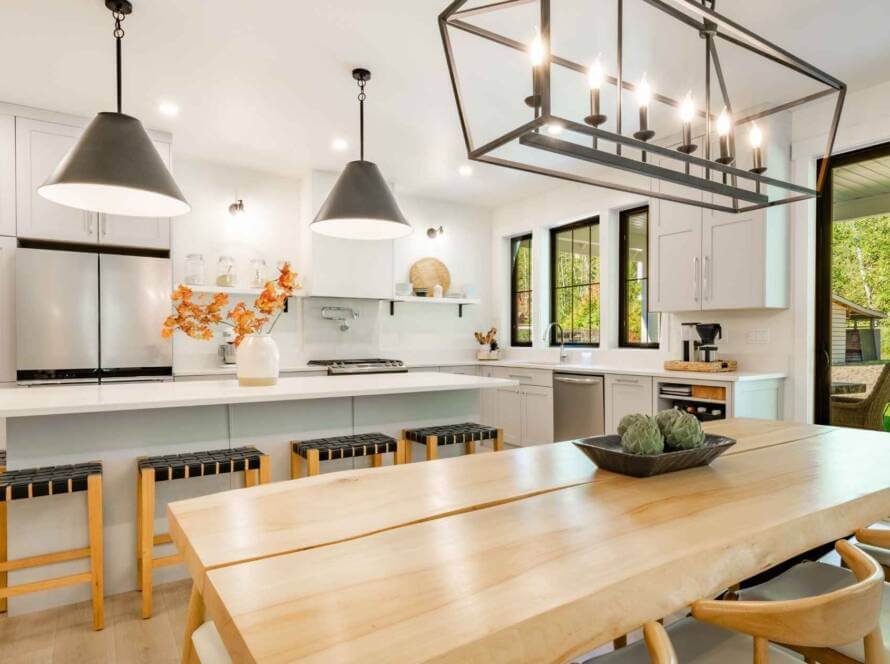
When designing a kitchen, some details feel small but have a huge impact. From cabinet colors to appliance finishes, every choice shapes the final look and feel of the space. One of the most critical, yet often overlooked, details is the height of your kitchen counters. It’s a decision that affects your daily comfort, the kitchen’s functionality, and even your home’s future market value.
Whether you’re sketching out a full remodel in Dallas or just planning a simple countertop upgrade, getting the height right is essential. This guide will walk you through everything you need to know, from the industry standard to custom options that fit your unique lifestyle. We’ll explore why this measurement is so important and how you can make the best choice for your home.
Understanding the Standard Kitchen Counter Height
The established standard for kitchen counter height across North America is 36 inches, or three feet, measured from the floor to the top surface of the counter. This industry-wide measurement isn’t arbitrary; it’s a carefully considered dimension designed to provide a comfortable and efficient workspace for the average adult.
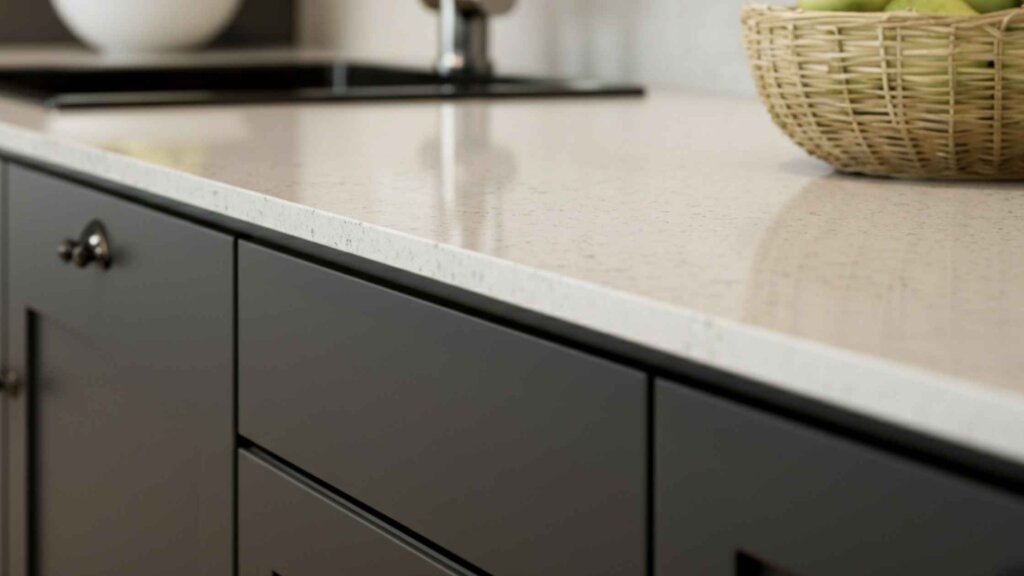
This 36-inch standard is a sum of its parts:
- Base Cabinets: The foundation of your countertops, standard base cabinets are manufactured to a height of 34.5 inches.
- Countertop Thickness: The material you choose for your surface typically adds another 1.5 inches of height.
Together, these components create the 36-inch standard that homeowners and builders have relied on for decades. This consistency makes it simpler to select and install appliances like dishwashers and ranges, which are designed to fit perfectly under a counter of this height. Adhering to this standard ensures a seamless and integrated look throughout your kitchen.
Why Counter Height is More Than Just a Number
The height of your kitchen counters directly influences how you interact with your space every day. An improperly sized surface can lead to discomfort and inefficiency, turning cooking from a pleasure into a chore.
The Critical Role of Ergonomics
Ergonomics is the science of designing environments to fit the people who use them, and it’s a key reason why counter height is so important. A workspace that is too high or too low can force you into awkward postures, causing strain on your back, neck and shoulders.
For optimal comfort, your main work surface should be positioned about 3 to 4 inches below your bent elbow. For most adults, the 36-inch standard falls comfortably within this ergonomic sweet spot. This height allows you to chop vegetables, mix ingredients, and wash dishes without hunching over or reaching up uncomfortably. A well-designed kitchen, centered around proper ergonomics, can prevent chronic pain and make your time spent there much more enjoyable.
Functionality for Everyday Tasks
Beyond comfort, the right counter height enhances the overall functionality of your kitchen. The 36-inch standard provides a versatile surface suitable for a wide range of activities. It’s high enough to work at comfortably while standing but low enough to allow for proper leverage when kneading dough or performing other forceful tasks.
When planning a remodel, think about the primary activities that will take place on your countertops. If you’re an avid baker, you might find a slightly lower surface more practical. If you love to entertain, a taller, bar-style area could be a great addition. A professional kitchen remodeling service can help you design a space that caters to these specific functions while maintaining a cohesive and beautiful design.
Exploring Variations from the Standard Height
While 36 inches is the universal standard, modern kitchen design embraces customization. Adjusting counter heights in certain areas can create a more dynamic and personalized space that better reflects your lifestyle.
Bar-Height Counters for Socializing
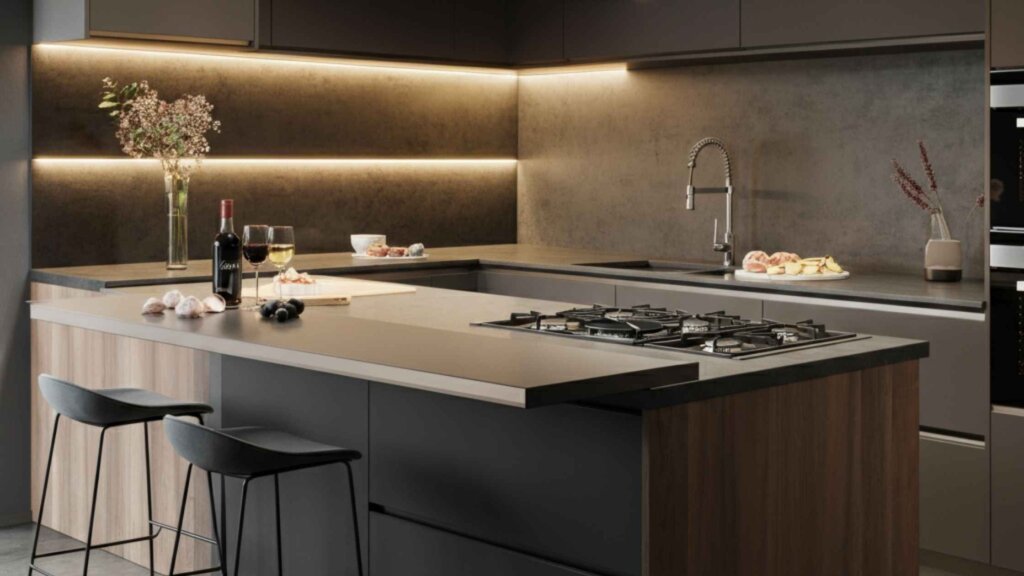
A popular variation is the bar-height counter, which typically stands between 41 and 43 inches tall. This height is perfect for creating a casual dining spot or a social hub for guests to gather while you cook. Paired with stylish bar stools, this feature can effectively separate the kitchen workspace from an adjoining living or dining area, making it a great choice for open-concept homes in Dallas.
Lowered Counters for Specialized Tasks
For homeowners who love to bake, a dedicated section of countertop lowered to about 30 to 34 inches can be a game-changer. This height provides better leverage for rolling out pastry, kneading bread, and mixing heavy dough. A lower surface is also more accessible for children who want to help in the kitchen, turning meal prep into a fun family activity. Furthermore, a counter set at 34 inches or below complies with ADA (Americans with Disabilities Act) guidelines, making the kitchen more accessible for wheelchair users.
The Multi-Functional Kitchen Island
The kitchen island has become the centerpiece of many modern Texas homes. To maximize its utility, many homeowners are opting for split-level designs. An island might feature a standard 36-inch section for food prep and a sink, with an adjacent raised tier at 42 inches for seating. This creates a multi-purpose hub that seamlessly blends cooking, dining, and socializing.
When considering custom heights, it’s important to work with a team that understands how to integrate these elements flawlessly. Our experts in kitchen remodeling can help you design a functional and beautiful island that becomes the true heart of your home.
Current Kitchen Design Trends in Dallas and Texas
Homeowners across Texas are embracing kitchen designs that are both beautiful and highly functional. Here are a few key trends shaping modern kitchens in the Dallas area.
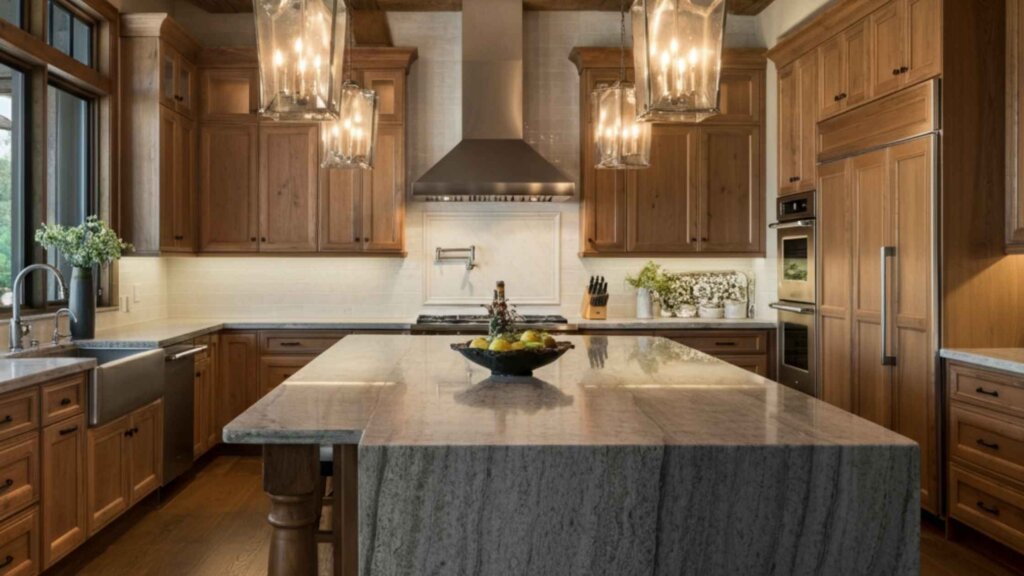
- Waterfall Countertops: This luxurious design feature involves extending the countertop material vertically down the sides of an island or cabinet run. The result is a continuous, flowing surface that makes a bold statement. Waterfall edges are perfect for showcasing high-end materials like quartz or marble, creating a sleek and sophisticated focal point.
- Eco-Friendly Materials: Sustainability is increasingly important to Texas homeowners. Materials such as engineered quartz, which is durable and low-maintenance, are a popular choice. You can find more information about material durability from trusted sources like Caesarstone.
- Smart and Seamless Integration: Technology is making its way into the kitchen, with integrated charging stations, smart appliances, and touchless faucets becoming more common. Countertop designs are adapting to house these features discreetly, maintaining a clean and uncluttered aesthetic.
Bringing these trends into your home requires precision and expertise. A professional countertop installation service ensures that your chosen material is cut and fitted perfectly, giving you a high-end finish that will last for years.
How Counter Height Can Affect Your Home’s Resale Value
While personalization is key to creating a home you love, it’s also wise to consider how your design choices might impact its future resale value. When it comes to kitchen counters, sticking close to the standard can be a smart financial decision.
A kitchen with standard 36-inch counters will appeal to the widest possible range of buyers. Most people are comfortable with this height, and it ensures that all standard appliances will fit without issue. A kitchen with unusually high or low countertops might be a dealbreaker for some, as they may envision the cost and hassle of a future renovation. According to experts at Kitchen Cabinet Kings, while custom dimensions are great for personal use, standard measurements are safer for resale.
If you do opt for custom heights, consider doing so in a way that adds clear value, such as a multi-level island. A design that is both unique and functional is more likely to be seen as a desirable feature rather than a flaw.
Frequently Asked Questions
What is the standard kitchen counter height in Texas?
The standard kitchen counter height in Texas is the same as the national standard: 36 inches from the floor to the top of the counter. This ensures consistency and compatibility with standard appliances.
Can I have different counter heights in the same kitchen?
Absolutely. Many modern kitchens feature multiple counter heights to accommodate different tasks. For example, you might have a standard 36-inch prep area, a lower 32-inch baking station, and a raised 42-inch bar for seating.
How do I determine the best counter height for me if I’m much taller or shorter than average?
The best way is to use the elbow-height rule. Stand with your arms bent at a 90-degree angle and have someone measure from the floor to your elbow. Your ideal primary work surface should be 3 to 4 inches below that measurement. A professional contractor can help you design custom-height cabinets to achieve this.
Conclusion: Creating Your Perfect Kitchen
Choosing the right kitchen counter height is a foundational decision that impacts your daily comfort and the long-term value of your home. While the 36-inch standard provides a reliable and ergonomic starting point, modern design offers the flexibility to create a space that is perfectly tailored to you.
Whether you envision a sleek, uniform kitchen with standard-height surfaces or a dynamic space with varied levels for different tasks, the key is thoughtful planning and expert execution. By considering your personal needs and working with experienced professionals, you can create a kitchen that is not only beautiful but also a joy to use every single day.
Ready to transform your kitchen? Contact America’s General Contractor for expert countertop installation and comprehensive kitchen remodeling services in the Dallas-Fort Worth area. Let us help you bring your vision to life.