
You’ve just finished painting your home’s exterior and have a half-full can of expensive paint left over. Staring at a scuffed-up wall in your hallway, a thought crosses your mind: “Can I just use this exterior paint inside?” It seems like a smart way to save money and avoid waste. But before you grab a roller and start, it’s important to understand that interior and exterior paints are not created equal.
Using exterior paint indoors might seem like a simple shortcut, but it comes with potential risks that can affect your health and the final look of your walls. This article will break down everything you need to know about using exterior paint inside. We’ll explore the key differences between paint types, the potential health and aesthetic issues, and when, if ever, it might be acceptable.
By the end of this guide, you’ll understand why grabbing a can of dedicated interior paint is almost always the better choice. We’ll also provide safer alternatives and expert tips to ensure your next painting project is a success.
Understanding Exterior Paint: What Makes It Different?
To understand why you shouldn’t use exterior paint indoors, it helps to know what it’s made of. Exterior paints are engineering marvels designed to protect your home from everything Mother Nature throws at it. Their unique formula is what makes them great for the outdoors, but problematic for the indoors.
The primary job of exterior paint is to form a durable, protective shield. It contains special additives that help it withstand harsh conditions:
- UV Protection: These additives prevent the sun’s ultraviolet rays from causing the paint color to fade.
- Moisture Resistance: The formula is designed to expand and contract with temperature changes, preventing moisture from seeping into the walls, which can lead to cracking and peeling.
- Mildewcides and Fungicides: To combat mold and mildew growth in damp outdoor environments, exterior paints include potent chemicals.
While these features are fantastic for siding, decks, and fences, the chemicals that provide this robust protection are not meant for indoor air quality. One of the biggest concerns is the level of Volatile Organic Compounds (VOCs). These are solvents that get released into the air as the paint dries. Exterior paints often have higher VOC levels, which can be harmful when trapped inside a home. For a deeper look, Rust-Oleum offers a great comparison of interior vs. exterior paint.
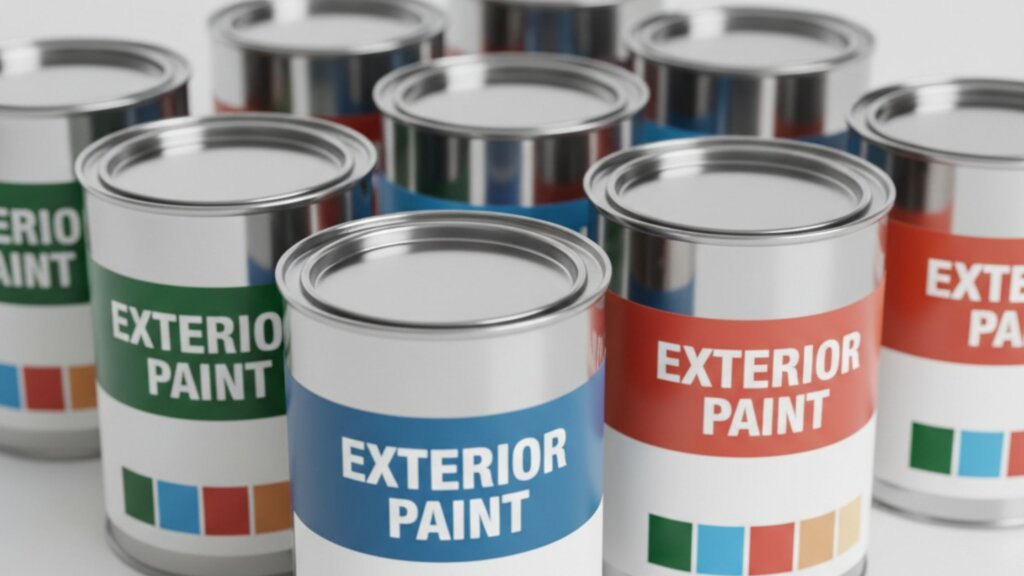
Is It Safe to Use Exterior Paint Inside?
In most cases, the answer is no. While it might be technically possible to apply it to an indoor wall, the risks associated with it make it an unwise choice for living spaces. The very ingredients that make exterior paint tough against the elements are what make it unsuitable for your home’s interior.
The primary concern is your health. The fungicides and mildewcides in exterior paint are designed to kill living organisms like mold spores. When used indoors, these chemicals continue to off-gas long after the paint has dried, releasing fumes into your living space. This can be especially problematic for children, pets, and individuals with asthma or other respiratory sensitivities.
Beyond the health risks, exterior paint simply doesn’t perform as well indoors. It’s formulated for durability, not for a smooth, elegant finish. It also lacks the scuff and stain resistance that interior paints are known for, meaning your walls might get damaged more easily from everyday life. If you’re looking for a safe and beautiful result, it’s always better to use the right product for the job. For homeowners in the Dallas area, the professionals at America’s General Contractor can ensure your project is completed with the correct, safe materials.
The Dangers of Using Exterior Paint Inside Your Home
Let’s take a closer look at the specific risks you take when you bring exterior paint indoors. These issues range from immediate discomfort to long-term health concerns and aesthetic disappointments.
Health Hazards from VOCs and Additives
The most significant danger comes from the chemicals released into the air.
- High VOC Levels: Volatile Organic Compounds can cause short-term symptoms like headaches, dizziness, nausea, and irritation of the eyes, nose, and throat.
- Lingering Fumes: Unlike interior paints, which are formulated for quick drying and low odor, the strong smell from exterior paint can linger for weeks or even months. This “curing” process involves the continued release of chemicals.
- Mold-Killing Chemicals: The mildewcides and fungicides are pesticides. While effective outdoors, you don’t want these chemicals circulating in the air you breathe every day. According to the Environmental Protection Agency (EPA), VOCs can have long-term adverse health effects.
Poor Aesthetic and Performance Issues
You might go through the trouble of painting only to be unhappy with the result.
- Finish and Texture: Exterior paint is built for protection, not for looks. It can have a slightly rougher, less refined texture that looks out of place on interior walls.
- Lack of Scuff Resistance: Interior paints are designed to be wiped down and resist scuffs from furniture and daily activity. Exterior paint, while durable against weather, may scratch or mar more easily indoors.
- Potential for Peeling: Because it’s not designed to adhere to common indoor surfaces like drywall, exterior paint might not bond properly, leading to premature peeling or chipping.
What to Use Instead of Exterior Paint Indoors
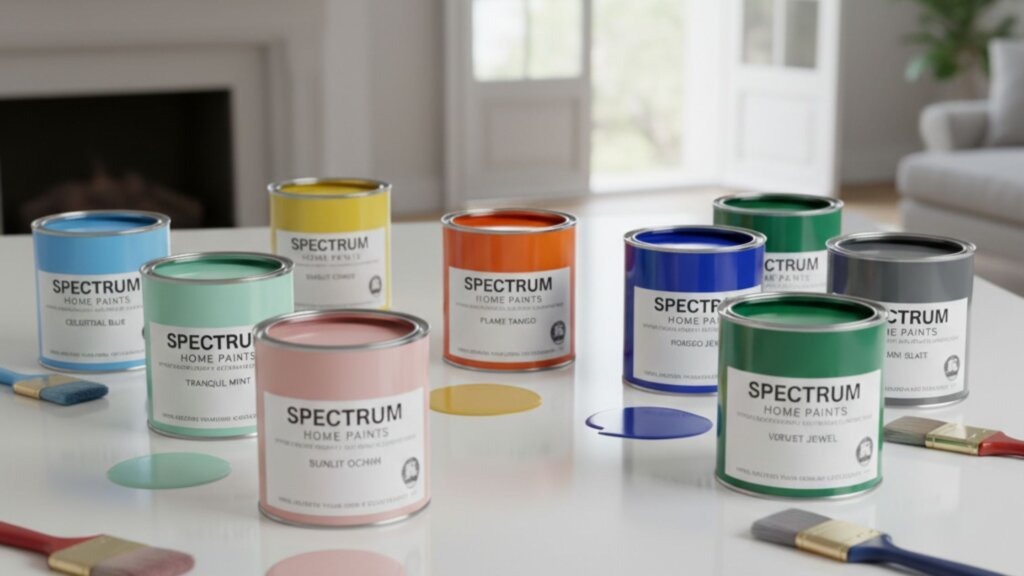
The solution is simple: use interior paint. It’s specifically formulated to be safe, durable, and beautiful for indoor environments. The market is full of excellent options tailored to every need and room in your house.
- Standard Interior Paint: Available in a wide range of finishes (matte, eggshell, satin, semi-gloss), modern interior paints have low or even zero VOCs, making them much safer for your home.
- Kitchen and Bath Paints: For high-moisture areas like bathrooms, kitchens, and laundry rooms, choose a specialty paint with a mildew-resistant formula. These are made with safer, food-grade additives compared to their exterior counterparts.
- Low-VOC and Zero-VOC Paints: If indoor air quality is your top priority, look for paints labeled as “Low-VOC” or “Zero-VOC.” These eco-friendly options are now widely available and perform just as well as traditional paints.
Choosing the right paint ensures a better result and peace of mind. If you feel overwhelmed by the options, our team at America’s General Contractor offers professional consultations to help you select the perfect paint for your Dallas home.
Exceptions to the Rule: When Exterior Paint Might Work Indoors
While using exterior paint in your living room or bedroom is a definite “no,” there are a few rare exceptions where it might be acceptable, provided you take extreme precautions.
These are typically unoccupied, well-ventilated utility spaces where aesthetics are not a priority and human exposure is minimal.
- Garages: A detached garage with plenty of airflow could be a candidate, as the space is not part of your home’s main living area.
- Sheds or Unfinished Basements: In a purely functional space that is well-ventilated and rarely used, the durability of exterior paint might be an advantage.
Even in these cases, proper ventilation during and after painting is critical. You must keep windows and doors open for an extended period to allow the paint to cure and the majority of the fumes to dissipate. However, the safest bet is always to use a product designed for the space.
Expert Tips for a Safe and Beautiful Paint Job
Whether you’re using interior paint or tackling an outdoor project, following best practices will ensure a safe and successful outcome.
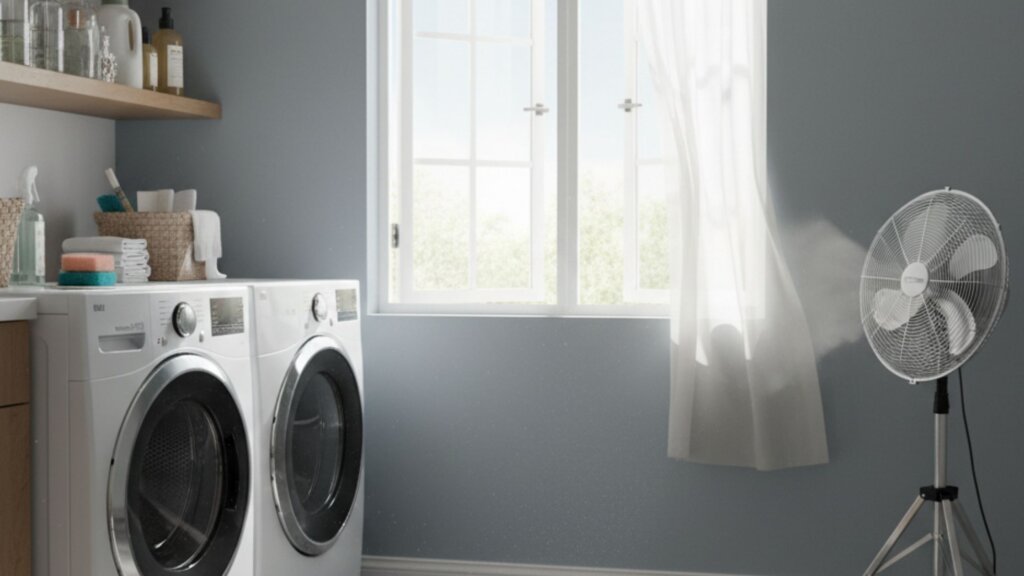
- Always Prioritize Ventilation: No matter what you’re painting, good airflow is essential. Open windows and use fans to circulate air and help fumes dissipate faster.
- Read the Label: The paint can is your best friend. It contains crucial information about drying times, VOC content, and safety recommendations.
- Prep Your Surfaces: A great paint job starts with great prep. Clean your walls of dust and grime, and apply a quality primer to ensure the paint adheres properly and looks even.
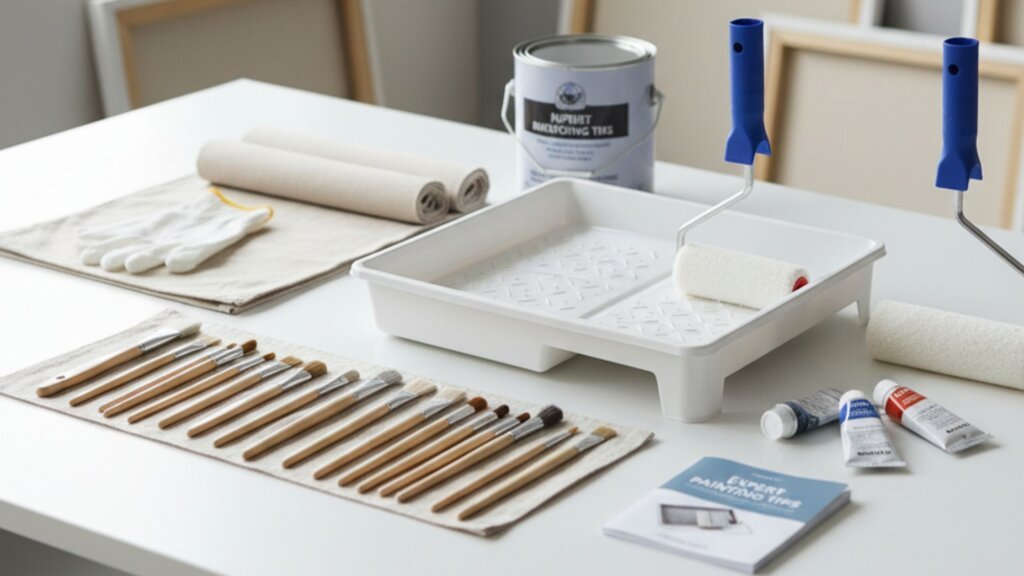
- Use the Right Tools: A high-quality roller and brush can make a world of difference in the final finish, preventing streaks and uneven texture.
- Allow for Curing Time: Remember that “dry to the touch” is not the same as “fully cured.” Give the paint plenty of time to harden before placing furniture against the walls or attempting to clean them.
Following these steps, as detailed in resources like Lowe’s painting safety guide, will help you achieve a professional-looking finish safely.
Your Questions About Exterior Paint Answered
Can I use exterior paint in a bathroom?
It is strongly discouraged. While you may think its moisture resistance is a plus, the high VOCs and potent mildewcides are not safe for a small, enclosed, and humid space. Instead, use a high-quality interior paint designed for kitchens and bathrooms.
What happens if I accidentally used exterior paint indoors?
Don’t panic. Increase ventilation immediately by opening all windows and using fans. Keep the area unoccupied as much as possible, especially by children and pets, until the odor is gone. If the paint job is extensive, the safest long-term solution is to seal it with a specialized primer and repaint with a proper interior paint.
Is there any way to make exterior paint safer for indoor use?
Unfortunately, no. You cannot remove the chemical additives that make it risky for indoor use. The only way to mitigate the risk is through massive, prolonged ventilation, which is often impractical.
How do I get rid of the lingering smell of exterior paint?
Time and airflow are the best remedies. You can also place bowls of charcoal, baking soda, or vinegar around the room to help absorb the odors, but these are temporary fixes. The smell will only fully disappear once the paint has completely cured.
Conclusion
So, can you use exterior paint inside? While the temptation to use up leftover paint is understandable, the potential risks to your health and the quality of your finish make it a poor choice for almost any indoor project. The chemicals that make exterior paint a durable shield against the weather are the very things you don’t want trapped inside your home.
For a beautiful, lasting, and safe result, always choose a quality interior paint formulated for the specific room you’re working on. The peace of mind you’ll get from knowing your home’s air is healthy is well worth the cost of a new can of paint.
Unsure which paint is right for your home, or want a perfect finish without the fuss?
If you’re in Dallas or the surrounding Texas area, don’t leave your project to chance. Visit America’s General Contractor for expert advice and professional painting services. Let our team help you create a beautiful and safe living space you’ll love.