
Is your bathtub looking a little worse for wear? Maybe it’s stained a weird shade of yellow from years of use, or perhaps that avocado green color from the 70s just doesn’t fit your modern aesthetic anymore. You stare at it every morning, dreading the idea of a full bathroom remodel. Ripping out a tub is messy, expensive, and leaves you without a bathroom for days, if not weeks.
But what if there was another way? A question we often hear from homeowners is: “Can you paint a bathtub?”
The short answer is yes. You absolutely can paint a bathtub. It’s a process often called refinishing or reglazing, and it can completely transform the look of your bathroom for a fraction of the cost of a replacement. However, it’s not as simple as slapping on a coat of wall paint and calling it a day. It requires specific materials, careful preparation, and a bit of patience.
In this guide, we will walk you through everything you need to know about painting your bathtub. From the tools you’ll need to a step-by-step DIY guide, and even when it’s better to call in the pros. Whether you are a dedicated DIYer or just looking for options to refresh your space, we’ve got you covered.
Understanding Bathtub Painting: Is It Possible?
First, let’s clear up a common misconception. When we talk about “painting” a bathtub, we aren’t using standard latex or acrylic paint that you would use on drywall. Those paints would peel off in a matter of days under the hot water and humidity of a bathroom.
Instead, bathtub painting involves a specialized epoxy or urethane-based coating. These coatings bond to the surface of the tub, creating a hard, durable finish that mimics the look and feel of porcelain or ceramic.
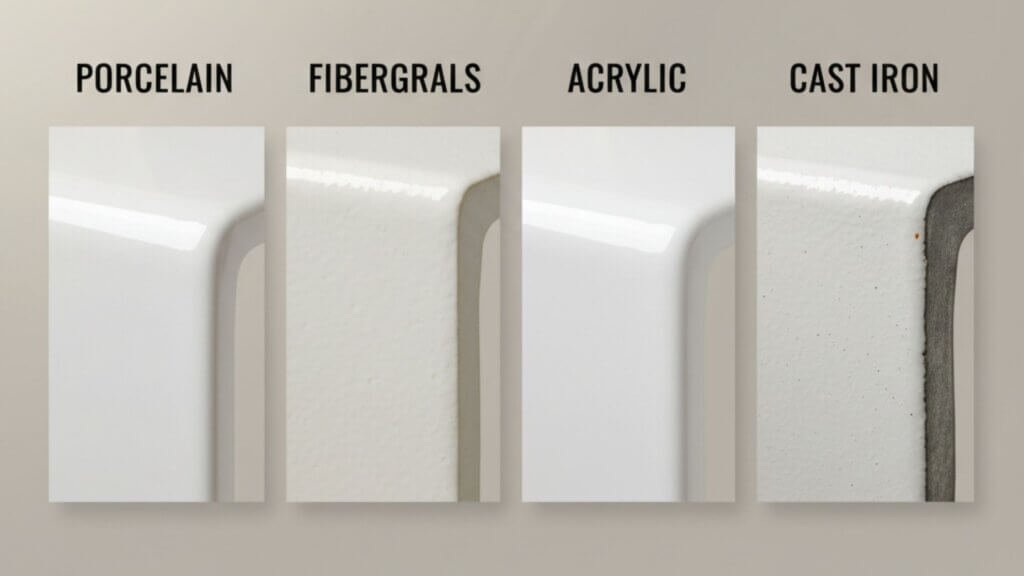
Which Tubs Can Be Painted?
The good news is that most common bathtub materials are suitable candidates for refinishing.
- Porcelain: Old cast iron tubs with porcelain enamel coatings are classic candidates. They are heavy and hard to remove, making refinishing a perfect solution.
- Fiberglass and Acrylic: These modern, lightweight tubs can become dull or scratched over time. Painting them can restore their shine.
- Cast Iron: Similar to porcelain, these durable tubs can last a lifetime, but their finish often wears down.
- Ceramic: Even ceramic tiled tubs (or the tile surrounding the tub) can often be refinished with the right products.
Choosing to paint your tub instead of replacing it has some clear advantages. It saves money, keeps old tubs out of landfills, and gives your bathroom an instant facelift. However, it’s important to be realistic. If your tub has major structural cracks or severe rust damage, painting might just be a band-aid on a bigger problem.
For homeowners in Dallas and throughout Texas who aren’t sure if their tub is a candidate for refinishing, America’s General Contractor offers professional assessments and services to help you make the right choice.
What You’ll Need to Paint Your Bathtub
If you’ve decided to tackle this as a DIY project, preparation is everything. You cannot skimp on the supplies if you want a finish that lasts longer than a few months. Using the right tools ensures the paint bonds correctly and looks smooth.
Essential Tools
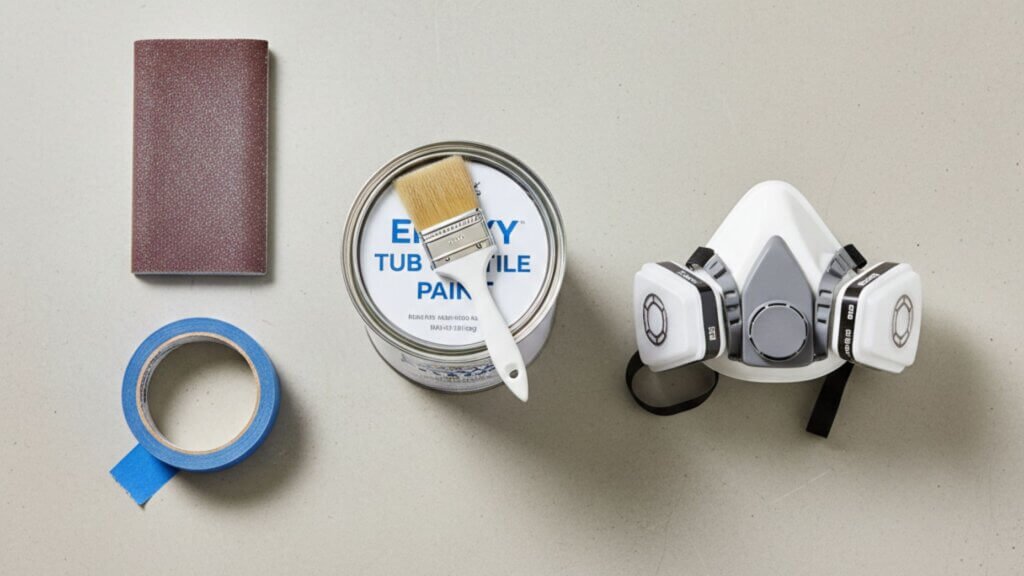
- Respirator Mask: This is non-negotiable. Bathtub refinishing products have strong, often toxic fumes. A simple dust mask isn’t enough; get a respirator rated for organic vapors.
- Sandpaper: You’ll need wet/dry sandpaper (usually around 400-600 grit) to rough up the old surface.
- Painter’s Tape: High-quality tape is needed to protect your walls, tiles, and fixtures.
- Drop Cloths: Protect your bathroom floor and vanity from accidental splatters.
- Paintbrushes and Rollers: Use a high-density foam roller for the smoothest finish, and a small high-quality brush for corners.
- Caulk Gun and Removal Tool: You will need to remove the old caulk before painting and re-caulk after.
Materials
- Bathtub Refinishing Kit: Look for a two-part epoxy kit. These are widely available at hardware stores and are specifically designed for tubs and tiles.
- Heavy-Duty Cleaners: Abrasive cleansers (like Comet) and a strong degreaser or lime remover are essential for prep.
- Tack Cloth: To pick up every speck of dust before painting.
- Repair Putty: If you have small chips or dings, you’ll need a polyester putty to fill them before painting.
For a deeper dive into the specific chemistry of these paints, Rust-Oleum provides a great overview of what bathtub paint actually is.
How to Paint a Bathtub: A DIY Guide
Ready to get your hands dirty? Here is a step-by-step guide to transforming your tub. Keep in mind that this process takes time—don’t rush the prep work!
Step 1: Deep Clean the Bathtub
This is the most critical step. If there is any soap scum, body oil, or silicone residue left on the surface, the paint will peel.
- Remove Old Caulk: Use a caulk removal tool or a razor blade to strip away all the old caulk between the tub and the wall/floor. Never paint over old caulk.
- Scrub Thoroughly: Wash the tub with an abrasive cleaner and a scouring pad. Rinse well.
- De-grease: Use a specialized cleaner (often included in kits) or a solvent like acetone to wipe down the entire surface. This removes any lingering oils.
Step 2: Repair and Prep the Surface
Once it’s clean, you need to make sure the surface is smooth and ready to grip the paint.
- Fill Chips: If there are deep scratches or chips, fill them with repair putty. Let it dry and sand it smooth.
- Sand the Tub: Use wet/dry sandpaper to sand the entire interior and exterior surface of the tub. You aren’t trying to sand the finish off, just create a rough, matte texture. This “mechanical adhesion” helps the new paint stick.
- Rinse and Dry: Rinse out all the sanding dust. Then, dry the tub completely with towels. Any moisture can ruin the epoxy.
Step 3: Mask Off the Area
You don’t want epoxy on your beautiful tiles or chrome faucet.
- Tape Everything: Apply painter’s tape to the walls meeting the tub, the floor, and the drain/faucet fixtures.
- Cover the Faucet: Wrap a plastic bag around the showerhead and faucet to prevent any dripping water from ruining your wet paint.
Step 4: Apply the Paint
Now for the transformation.
- Ventilate: Open windows and turn on the bathroom fan. Put on your respirator.
- Mix the Paint: Pay close attention to the directions on your kit. Most need a hardener and a glue to be mixed together.
- Start Painting: Start in the corners and around the drain with a brush. Then, use your roller to apply the paint to the flat surfaces.
- Two Coats is Standard: Apply a thin, even first coat. It doesn’t have to cover perfectly; just get a good base. Let it dry for the recommended time (usually 1-2 hours) and then apply a second coat. This second coat will provide full coverage and a glossy finish.
Step 5: Let It Cure
Patience is key here. Even if it feels dry to the touch, it needs to cure and harden.
- Wait: Most kits recommend waiting at least 3 days (72 hours) before exposing the tub to water.
- Re-Caulk: Once cured, remove the tape and apply fresh, bathroom-grade silicone caulk to seal the edges.
For visual learners, Lowe’s offers a helpful breakdown of the painting process.
Is Painting a Bathtub Worth It? (Pros and Cons)
Before you run to the store, it is important to weigh the benefits against the potential downsides.
The Pros
- Cost-Effective: A DIY kit costs between $50 and $100. Even professional refinishing costs a fraction of the $3,000+ it often takes to replace a tub.
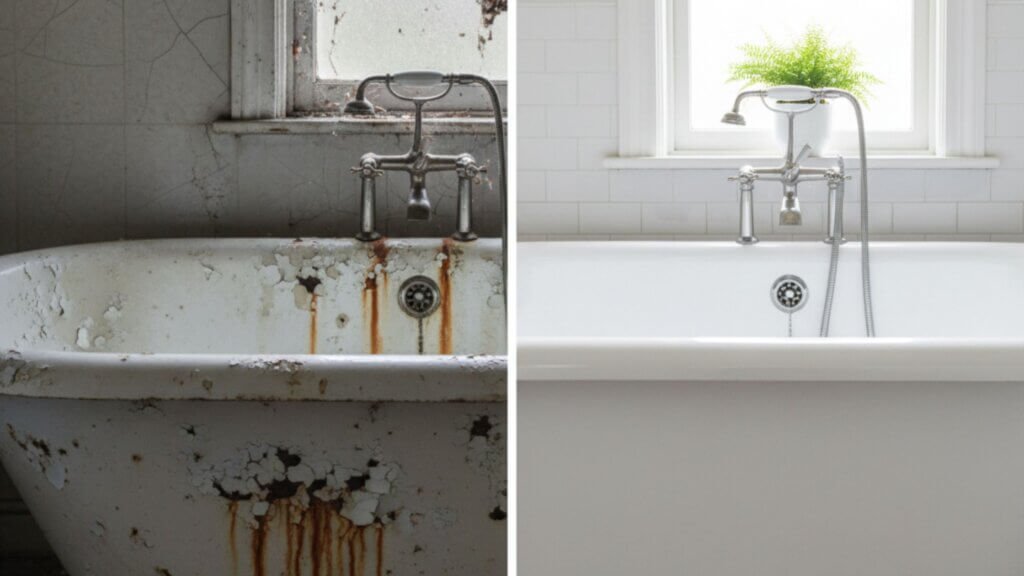
- Fresh Look: It instantly brightens a room. You can change a dated almond-colored tub to a crisp, bright white.
- Less Waste: You aren’t sending a giant cast iron heavy object to the landfill.
The Cons
- Durability: A painted tub will never be quite as durable as the original factory-fired porcelain. It can scratch or chip if you aren’t careful.
- Maintenance: You have to be gentle when cleaning. No more steel wool or harsh bleach.
- Smell: The fumes during application are potent and can linger for a day or two.
- Lifespan: A DIY job might last 2-3 years, while a professional job can last 5-10 years. Eventually, it may need to be done again.
If the “cons” list makes you nervous, or if you just don’t have the time to deal with sanding and fumes, hiring a professional is a smart move. For those in the Dallas area, America’s General Contractor provides high-quality refinishing that bridges the gap between a DIY fix and a full replacement.
How to Get the Best Results When Painting a Bathtub
If you are committed to doing this yourself, here are a few insider tips to ensure your finish looks professional and not like a weekend experiment gone wrong.
Don’t Skip the Sanding
We cannot stress this enough. If you try to paint over a glossy, smooth surface, the paint will slide right off within a few months. You need that rough texture for the epoxy to grab onto.
Watch the Weather
Humidity plays a huge role in how paint dries. Ideally, pick a time when the humidity is low. If it’s a rainy, muggy week in Texas, wait for drier weather. If there is a lot of humidity, the finish might dry cloudy or sticky.
Thin Layers are Better
People want to finish faster by putting on a thick coat, but that makes drips and runs that look awful when they dry. Multiple thin coats will always look smoother and cure harder than one thick gloppy coat.
Invest in a Good Roller
Cheap rollers shed fuzz. Imagine picking little pieces of lint out of your wet, sticky tub paint. Spend a little more on a good roller that doesn’t gather lint and is made for shiny surfaces.
For troubleshooting common issues, check out this guide from The Spruce.
How to Maintain Your Painted Bathtub
Congratulations, you have a “new” tub! Now, how do you keep it looking that way? A refinished tub requires a gentle touch.
- Avoid Abrasives: Throw away the scrubbing powders and steel wool. They will scratch the new finish instantly.
- Use Gentle Cleaners: Stick to liquid dish soap, or mild bathroom cleaners that say “safe for acrylic” or “non-abrasive.”
- No Suction Cups: Bathmats with suction cups are the enemy of painted tubs. The suction pulls at the paint, causing it to lift and peel over time. If you need a non-slip surface, look for mats without suction cups or consider having a non-slip texture added during the professional refinishing process.
- Fix Leaks Immediately: A dripping faucet will wear away the paint right around the drain area much faster than the rest of the tub.
Regular maintenance is key. If you are in Dallas or Texas and need advice on caring for your bathroom surfaces, or if your DIY job needs a touch-up, our team at America’s General Contractor is here to help.
Your Questions About Bathtub Painting Answered
Can I paint any type of bathtub?
Most standard tubs (acrylic, fiberglass, porcelain, enamel) can be painted. However, specialized jet tubs (whirlpools) are very difficult to paint effectively due to the jets and piping.
How long does a painted bathtub last?
A well-done DIY job typically lasts 3 to 5 years. A professional refinishing job usually lasts 5 to 10 years or more with proper care.
Is it safe to paint a bathtub myself?
Yes, but you must take safety precautions. The fumes are hazardous. Ensure you have excellent ventilation and wear a respirator mask, gloves, and eye protection.
What’s the cost difference?
A DIY kit is usually under $100. Professional refinishing usually ranges from $400 to $700 depending on the condition of the tub. Replacing a tub can easily cost $3,000 to $5,000 once you factor in labor, plumbing, and tiling.

Conclusion
Can you paint a bathtub? Yes, and for many homeowners, it is the perfect solution to an ugly bathroom problem. It’s a budget-friendly project that delivers a high-impact visual change. While it requires elbow grease, patience, and attention to detail, the result—a bright, clean, like-new tub—is incredibly satisfying.
However, we understand that DIY isn’t for everyone. Dealing with toxic fumes, sanding dust, and curing times can be a hassle. If you want the beautiful results without the headache, or if your tub has significant damage that needs expert repair, professional help is just a click away.
Ready to transform your bathroom?
If you live in the Dallas area or anywhere in Texas and want a flawless, long-lasting finish for your bathtub, don’t leave it to chance. Visit America’s General Contractor today to learn more about our professional bathtub refinishing services. Let us help you make your bathroom shine again!