Have you ever walked into your bathroom, only to find spots of rust or strange discoloration on your once-shiny faucet? It’s a frustrating sight, and it often leaves homeowners wondering: what’s causing this, and is it harming my plumbing? You’re not alone—bathroom faucet corrosion is a common issue in homes across Texas and beyond. Not only does it take away from your bathroom’s style, but it can also signal hidden problems with your fixtures or even your water quality.
If you’ve been concerned about leaks, stains, or a faucet that just doesn’t work like it used to, understanding the root causes of corrosion is the key to fixing the problem fast. In this guide, you’ll discover what causes bathroom faucets to corrode, learn practical steps to prevent it, and find out how to restore or replace fixtures that have seen better days. Whether you’re facing your first rust spot or considering a bathroom upgrade, you’ll find actionable solutions right here.
Corrosion can affect both the look and function of your bathroom fixtures, leading to leaks and reduced water flow if left unaddressed. Fortunately, understanding what causes this damage is the first step toward preventing it. This article will explore the primary causes of faucet corrosion, provide actionable tips for prevention, and offer effective solutions for restoring your faucets.
Whether you’re dealing with a minor rust spot or considering a full fixture upgrade, this guide will provide the insights you need. At America’s General Contractor, we believe that a beautiful and functional bathroom starts with quality fixtures, and we’re here to help you maintain them.
What is Faucet Corrosion?
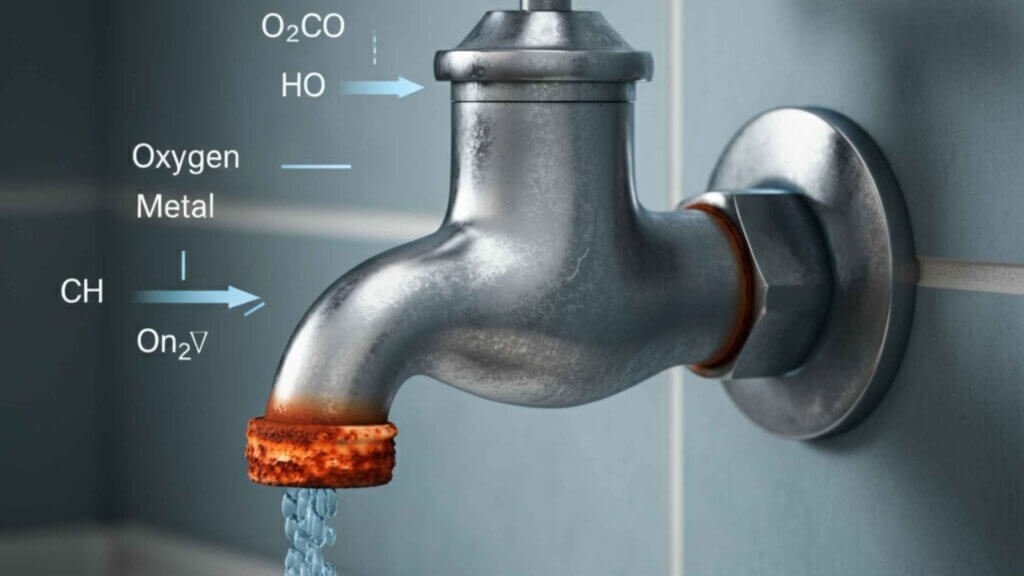
Faucet corrosion is the gradual damage and weakening of a faucet’s metal caused by a chemical reaction with water, oxygen, and, sometimes, cleaning products. In bathrooms, this often appears as rust or other colored spots. Over time, corrosion not only affects how your faucet looks but can also cause it to become less sturdy, eventually leading to leaks, cracks, or even failure of the fixture itself.
When a faucet corrodes, it’s not just a surface-level problem. The deterioration can penetrate the metal, leading to pinhole leaks, structural weakness, and a shortened lifespan for the fixture. The type and speed of corrosion often depend on the material of the faucet.
Most modern faucets are made from materials chosen for their durability and resistance to corrosion:
- Brass: An alloy of copper and zinc, brass is naturally resistant to corrosion and is a very common base material for faucets.
- Stainless Steel: This iron alloy contains chromium, which creates a passive, rust-resistant layer on the surface.
- Chrome-Plated Brass: Many faucets have a solid brass core that is electroplated with a layer of chromium. This provides a brilliant, durable finish, but if the plating is scratched or wears away, the brass underneath can become exposed and corrode.
Common Causes of Bathroom Faucet Corrosion
Bathroom faucet corrosion can develop for several reasons, and often, more than one factor is at play. Understanding these causes helps you target the right solutions:
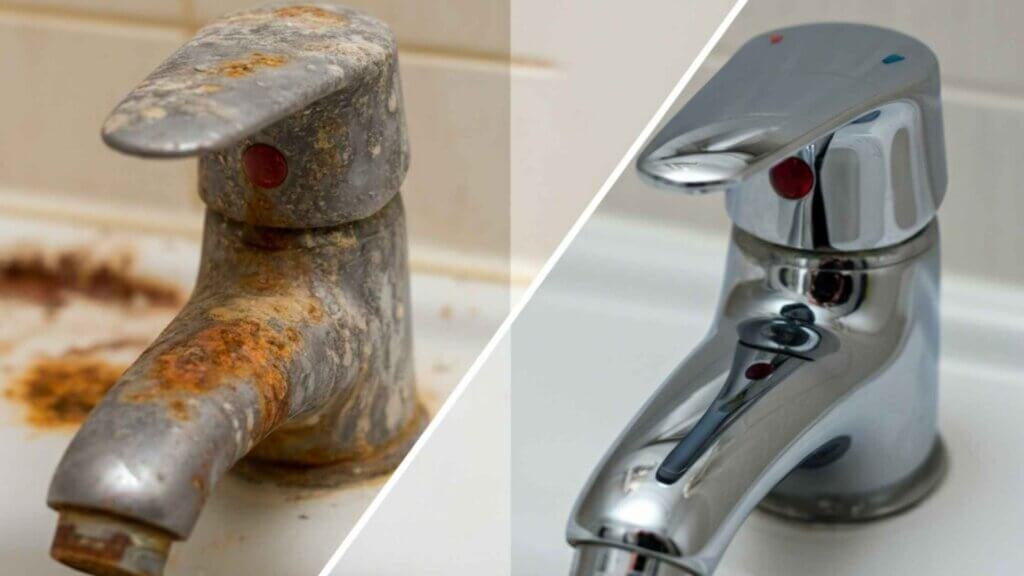
- Hard Water Deposits: Hard water is rich in minerals like calcium, magnesium, and iron. When this water dries on your faucet, it leaves behind a white, chalky residue called limescale. Over time, these mineral deposits can trap moisture against the metal and, if iron is present, lead to stubborn rust stains.
- Corrosion of Protective Coatings: Most faucets are manufactured with a protective finish to guard the underlying metal from moisture and air. If you use harsh cleaning chemicals or abrasive scrubbers, you can scratch or strip away this protective layer. Once the coating is damaged, the exposed metal is highly susceptible to fast corrosion.
- High Humidity Levels: Bathrooms are naturally humid spaces. Steam from hot showers and baths creates lots of condensation that settles on fixtures throughout the room. If your bathroom isn’t well-ventilated, the ongoing dampness creates ideal conditions for oxidation and rust to set in.
- Leaking or Dripping Water: Persistent leaks or drips, particularly around the base or spout, cause water to pool on the faucet’s surface. This continuous moisture gradually wears down the finish, encouraging localized corrosion. On brass and copper fixtures, this often results in green or blue discoloration, known as patina.
- Poor-Quality Materials: Cheaper faucets may be made with low-quality metal alloys or have very thin protective coatings. These faucets are much more vulnerable to corrosion and can show signs of rust or pitting within just a few years after installation.
- Contact with Other Metals: Leaving metal objects like shaving razors, cans, or bobby pins on or near your faucet can cause rust to transfer. The moisture in the bathroom causes these items to rust, and the resulting particles can stain the faucet’s surface.
- Mold and Bacteria Growth: The perpetual dampness in bathrooms can also promote mold and bacteria, especially at the base of the faucet. Some bacteria accelerate metal deterioration through a process called microbially-influenced corrosion, quietly eating away at your fixtures.
By recognizing and addressing these risk factors, you can reduce the likelihood of corrosion and keep your bathroom faucets looking and working their best.
- Hard Water Deposits
Hard water contains high concentrations of dissolved minerals like calcium, magnesium, and iron. When water evaporates on your faucet, it leaves these minerals behind as a chalky white residue known as limescale. These deposits can trap moisture against the metal and, if they contain iron, can leave behind stubborn rust stains. - Corrosion of Protective Coatings
Most faucets have a protective finish designed to shield the underlying metal from moisture. The use of harsh cleaning chemicals (like bleach or ammonia) or abrasive scrubbers can easily scratch or strip this coating away. Once the protective layer is compromised, the metal is left vulnerable to direct contact with water and air, leading to rapid corrosion. - High Humidity Levels
Bathrooms are naturally humid environments. Steam from hot showers creates condensation that settles on every surface, including your faucets. Without proper ventilation to clear this moisture, the constant dampness creates an ideal environment for oxidation and rust to form. - Leaking or Dripping Water
A slow, persistent drip is one of the worst enemies of a faucet. The constant exposure to water, especially around the base of the faucet or the spout’s opening, can wear down the finish and cause localized corrosion. This often results in a buildup of green or blue patina on brass and copper fixtures. - Poor-Quality Materials
Not all faucets are created equal. Cheaper fixtures may be made from low-quality metal alloys or have an extremely thin protective coating. These materials are far more susceptible to corrosion and may begin to show signs of rust or pitting within just a few years of installation. - Contact with Other Metals
Leaving metal items, such as a can of shaving cream or a pair of bobby pins, on your sink or faucet can lead to rust transfer. The moisture in the bathroom causes these items to rust, and the rust particles can then stain the surface of your faucet. - Mold and Bacteria Growth
The constant moisture in a bathroom can also encourage the growth of mold and bacteria, especially around the base of the faucet. Certain types of bacteria can contribute to a process called microbially-influenced corrosion, which can eat away at the metal.
How to Prevent Bathroom Faucet Corrosion
Preventing bathroom faucet corrosion is easier and more cost-effective than fixing a corroded fixture. By following these straightforward tips, you can keep your faucets looking and working like new for years:
- Choose High-Quality Materials: When installing a new faucet, opt for solid brass or stainless steel models. These materials naturally resist corrosion and provide better long-term performance than cheaper alternatives.
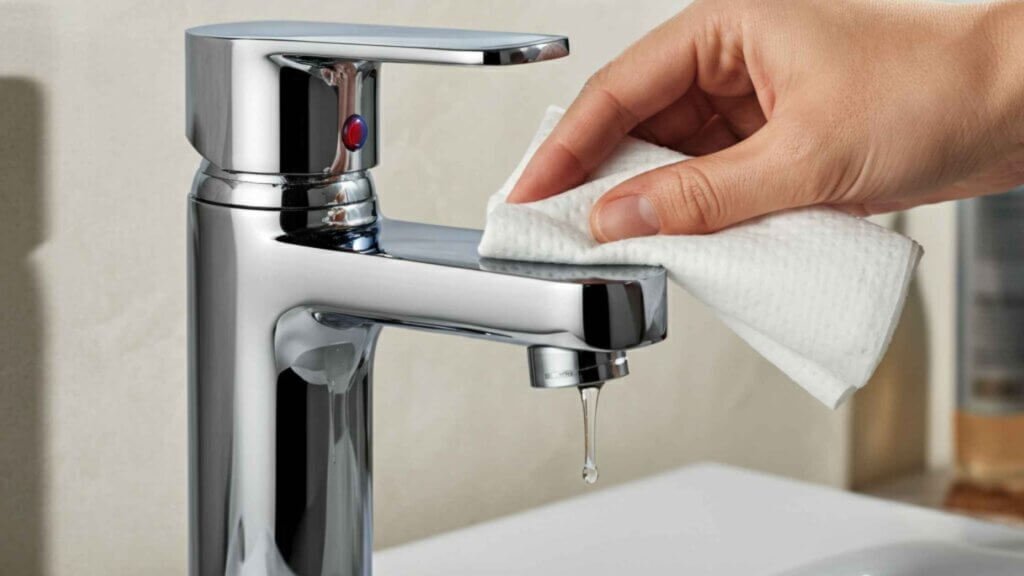
- Clean Regularly and Gently: Wipe your faucets once a week with a soft cloth and mild dish soap. Avoid harsh chemicals or abrasive scrubbing pads—they can scratch and damage the protective finish. After cleaning, always dry the faucet thoroughly to prevent water spots and lingering moisture.
- Address Hard Water Issues: If you notice chalky white buildup or live in a hard water area, consider installing a water softener to reduce mineral deposits throughout your home. For stubborn limescale, wrap a vinegar-soaked cloth around the affected area for an hour, then gently scrub with a soft brush to lift away deposits.
- Ventilate Your Bathroom: Run the exhaust fan or open a window during and after showers to reduce humidity and condensation in the air—this helps keep your faucets dryer and less prone to rust. In especially damp homes, a small dehumidifier can also make a difference.
- Apply a Protective Wax Barrier: Every few months, gently rub a layer of carnauba wax or another non-abrasive wax onto clean, dry faucets. This barrier helps water bead up and roll away, minimizing moisture contact and slowing down corrosion.
- Fix Leaks Immediately: Don’t ignore even a small drip. Promptly repair leaks or drips by tightening fittings or replacing worn-out washers or O-rings. Quick fixes can stop water from pooling and causing corrosion around the base of your faucet.
By making these easy habits part of your routine, you’ll significantly reduce the risk of bathroom faucet corrosion and extend the lifespan of your fixtures.
- Choose High-Quality Materials
When buying a new faucet, invest in one made from solid brass or stainless steel. These materials have excellent natural resistance to corrosion and will last much longer than cheaper alternatives. - Practice Regular Cleaning
Wipe down your faucets weekly with a soft cloth and a mild, non-abrasive cleaner (like a mixture of gentle dish soap and water). This simple step removes mineral deposits and soap scum before they can cause damage. Always dry the faucet completely after cleaning to prevent water spots. - Address Hard Water Issues
If you live in an area with hard water, consider installing a whole-house water softener. This will reduce the mineral content in your water, protecting not only your faucets but also your pipes and other appliances. For existing mineral buildup, wrap a cloth soaked in white vinegar around the affected area for an hour, then scrub gently with a soft brush. - Improve Bathroom Ventilation
Always run your bathroom’s exhaust fan during and for at least 15-20 minutes after a shower. If you don’t have a fan, opening a window can help clear out humid air and reduce condensation. - Apply a Protective Coating
For an extra layer of defense, you can apply a thin coat of carnauba wax (car wax) to your chrome or stainless steel faucets every few months. The wax creates a hydrophobic barrier that causes water to bead up and roll off, preventing it from sitting on the surface. - Fix Leaks Promptly
Don’t ignore a dripping faucet. A small leak can usually be fixed by replacing a worn-out washer or O-ring. Repairing leaks quickly prevents water from pooling and causing long-term damage.
How to Remove Rust from Corroded Faucets
If your faucet already shows signs of corrosion, don’t worry—many minor or surface-level rust spots can be treated at home. Here are several effective methods, each with step-by-step instructions. Always start by testing any cleaning method on a small, hidden area of your faucet, and use gentle pressure to avoid scratching the finish.
Method 1: Baking Soda and Vinegar Paste
This is ideal for removing light rust and mineral buildup.
- Mix baking soda with just enough white vinegar to create a thick, spreadable paste.
- Spread the paste over any rusted sections of the faucet.
- Let it sit for 15–20 minutes to break down the rust.
- Use a soft-bristled toothbrush or a non-abrasive sponge to gently scrub in circles.
- Rinse off all residue with warm water, then dry thoroughly with a clean, soft cloth.
Method 2: Lemon Juice and Salt
The natural acidity of lemon juice works well for dissolving rust.
- Sprinkle a layer of table salt on the rusty spots.
- Squeeze fresh lemon juice generously over the salt until it’s wet.
- Leave the mixture for about an hour.
- Gently scrub with the cut side of the lemon or a soft sponge.
- Rinse well with water and dry with a soft towel.
Method 3: Commercial Rust Removers
For stubborn or widespread rust, a store-bought cleaner may be necessary.
- Choose a rust remover that is safe for your faucet’s material (examples: CLR, Bar Keepers Friend).
- Put on gloves and follow all label instructions.
- Apply the cleaner to affected areas and let it sit for the recommended time—do not let it dry on the surface.
- Wipe away the cleaner and dissolved rust, then rinse the faucet thoroughly with water and dry.
Method 4: Aluminum Foil and Water
This method is especially effective on chrome-plated faucets.
- Tear off a small piece of aluminum foil and dip it in water.
- Gently rub the foil over the rust, using a light, circular motion. The reaction between the foil and rust helps lift stains without scratching the chrome.
- Wipe the faucet with a damp cloth to remove any remaining particles, then dry completely.
By following these methods, you can often restore your faucet’s shine and extend the life of your fixture without calling in a professional.
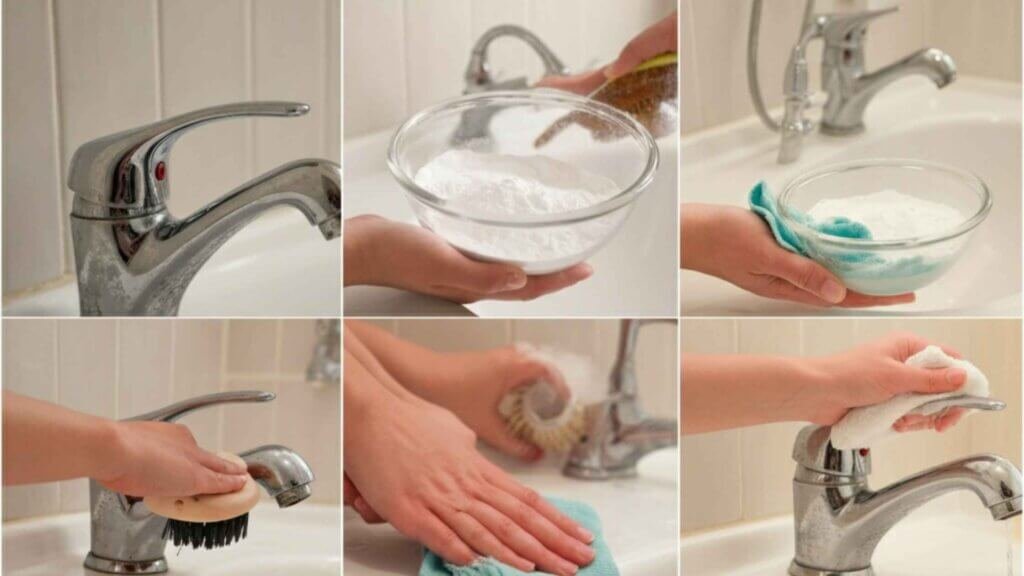
Method 1: Baking Soda and Vinegar Paste
This method is great for light rust and mineral buildup.
- Create a thick paste by mixing baking soda with a small amount of white vinegar.
- Apply the paste directly to the rusted areas and let it sit for about 15-20 minutes.
- Use a soft-bristled toothbrush or a non-abrasive sponge to gently scrub the paste in a circular motion.
- Rinse the faucet thoroughly with warm water and dry it completely with a soft cloth.
Method 2: Lemon Juice and Salt
The acidity of lemon juice is effective at dissolving rust.
- Sprinkle a generous amount of table salt over the rust spots.
- Squeeze fresh lemon juice over the salt until it is saturated.
- Let the mixture sit for about an hour to allow the acid to work.
- Gently scrub the area with the rind of the lemon or a soft sponge.
- Rinse well with water and dry thoroughly.
Method 3: Commercial Rust Removers
For more stubborn rust, a commercial cleaner might be necessary.
- Choose a product specifically designed for the material of your faucet (e.g., CLR, Bar Keepers Friend).
- Wearing gloves, apply the cleaner according to the manufacturer’s instructions.
- Let the product sit for the recommended time, but avoid letting it dry on the surface.
- Wipe away the rust and cleaner, rinse the faucet completely, and dry.
Method 4: Aluminum Foil and Water
This surprising method works well on chrome-plated faucets.
- Tear off a small piece of aluminum foil and dip it in water.
- Gently rub the wet foil over the rust spots. A chemical reaction occurs that helps lift the rust without scratching the chrome.
- Wipe the area with a damp cloth to remove any residue and dry the faucet.
When to Replace a Corroded Faucet
Even with regular cleaning, some faucets become so corroded that repair is no longer possible. It’s important to know when replacement is necessary to prevent major leaks or water damage.
Here are key indicators that a faucet should be replaced rather than repaired:
Look for these signs that it’s time for a replacement:
- Extensive or Pitted Corrosion: If the corrosion is widespread and has created pits or flakes in the metal, the structural integrity of the faucet is compromised.
- Persistent Leaks: If you’ve tried to repair a leak multiple times without success, the corrosion may have damaged the internal components or the faucet body itself.
- Reduced Water Pressure: Internal corrosion can cause mineral buildup that restricts water flow. If cleaning the aerator doesn’t solve the problem, the issue may be inside the faucet.
Replacing an old, corroded faucet offers several benefits. A new fixture will improve your bathroom’s appearance, function more efficiently, and likely be more water-conscious. Modern faucets are also made with more advanced materials and coatings that offer superior durability. For a professional installation and a wide selection of quality fixtures, the experts on a bathroom remodeling services team can provide invaluable guidance.
FAQs About Bathroom Faucet Corrosion
Can I prevent corrosion on old faucets?
Yes, you can help extend the life of older faucets by regularly cleaning them with gentle products, applying a protective wax coating, and repairing any leaks as soon as they appear.
What materials are the most rust-proof?
No metal is completely rust-proof, but some are highly resistant. Stainless steel and solid brass are excellent choices. Plastic faucets will not rust, but they lack the durability and aesthetic appeal of metal.
How often should I clean my faucet?
A quick wipe-down after each use is ideal, but a thorough cleaning once a week is a good rule of thumb to prevent mineral and soap scum buildup.
Is hard water the main cause of faucet corrosion?
Hard water is a major contributor, but it often works in combination with other factors like poor maintenance, harsh cleaners, and high humidity.
How long do bathroom faucets typically last?
A high-quality, well-maintained faucet can last for 15 to 20 years or more. A lower-quality model may start to show signs of corrosion in as little as 3 to 5 years.
Protect Your Faucets and Extend Their Lifespan
Faucet corrosion doesn’t have to ruin your bathroom or cause costly problems. By understanding the main culprits—like hard water, poor ventilation, and inferior materials—you can take simple, proactive steps to keep your faucets looking and working their best. Regular gentle cleaning, quick leak repairs, and the use of top-quality materials are smart ways to defend against rust and corrosion. If you do spot rust, the right cleaning methods can often restore your faucet’s shine and extend its lifespan.
However, if your bathroom faucets are showing signs of advanced corrosion, persistent leaks, or are simply outdated, it might be time for an upgrade.
If your bathroom faucets need professional attention or you’re considering a full upgrade, contact America’s General Contractor today. Our team offers expert advice and professional services to keep your bathroom beautiful and functional for years to come.