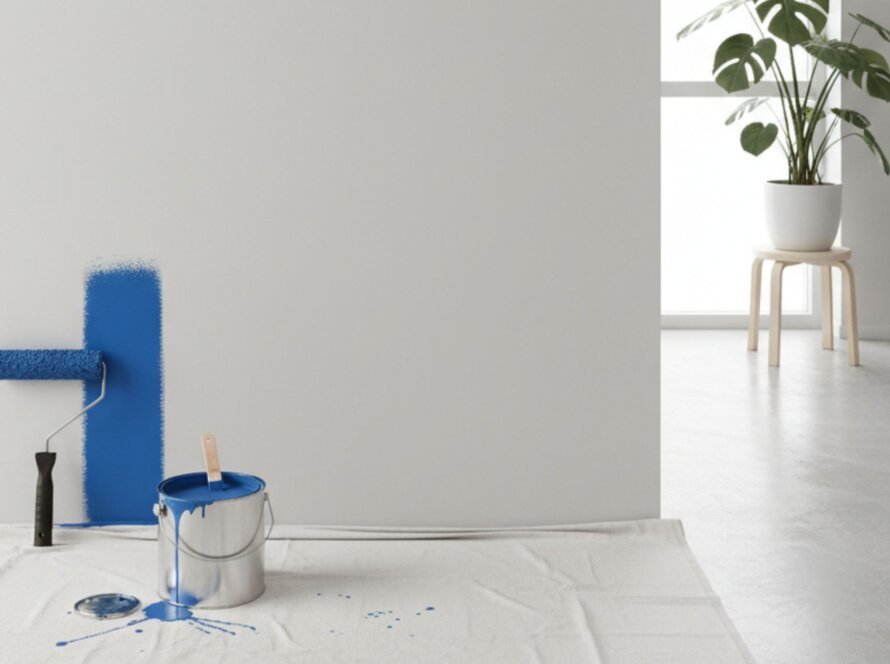
There’s a unique heart-stopping moment that comes from seeing a splash of fresh paint on a beautiful wood floor. Whether it’s from a weekend DIY project gone wrong or discovering old, dried splatters on a floor you’re trying to restore, paint on hardwood can feel like a disaster. But before you start to panic or consider covering it all up with a rug, take a deep breath. Removing paint from wood floors is often much easier than you think.
This guide will walk you through the best methods to remove paint from your wood floors, no matter the situation. We’ll cover how to handle fresh spills, dried-on paint, and different types of paint like water-based and oil-based. With the right tools and a bit of patience, you can safely lift those unwanted spots and bring back the natural beauty of your hardwood without causing damage.
By the end of this article, you will know how to identify the paint type you’re dealing with, understand the different methods for safe removal, and learn some pro tips for preventing future spills.
Table of Contents
Why Knowing the Paint and Finish Matters
Before you grab a scraper or any cleaning solutions, the first and most crucial step is to play detective. You need to figure out two things: the type of paint on your floor and the type of finish on the wood. This knowledge will determine which removal method will be effective and, more importantly, safe for your floors. Using the wrong technique can turn a small paint spot into a much larger problem, like a stripped finish or discolored wood.
Water-Based vs. Oil-Based Paint
Most household paints fall into one of two categories: water-based (latex) or oil-based.
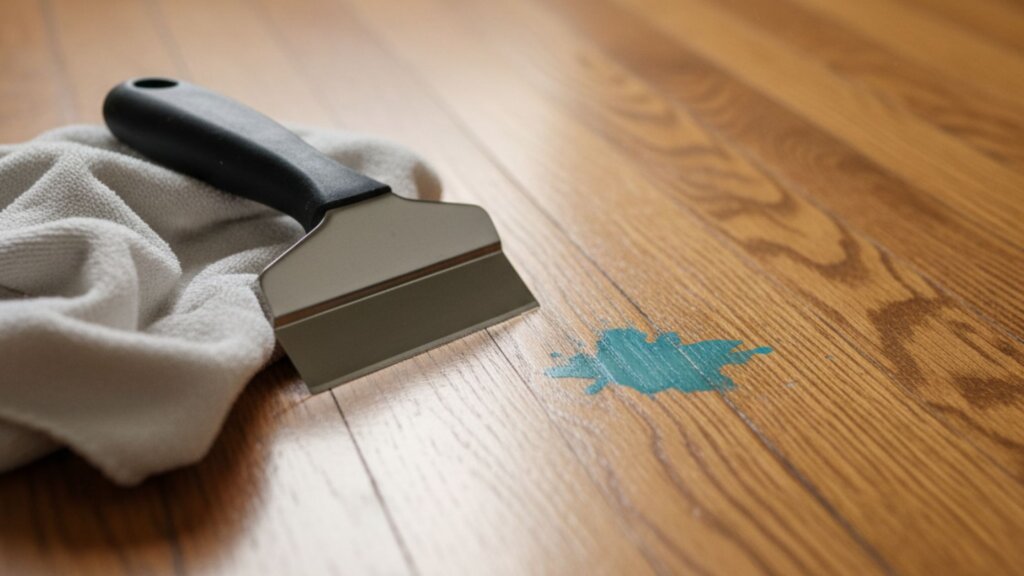
- Water-Based (Latex) Paint: This is the most common type of paint used for interior walls. As the name suggests, its main ingredient is water. This is good news for you, as it’s generally easier to clean up. It tends to soften and lift with simple, gentle methods.
- Oil-Based Paint: This type is more durable and is often used for trim, doors, and high-moisture areas. It’s made with solvents, which means water won’t be enough to break it down. You’ll need to use stronger substances like rubbing alcohol or specific paint thinners.
How to Test the Paint Type: If you don’t have the original paint can, you can do a simple test. Moisten a cotton ball or the corner of a white rag with warm, soapy water and rub it on a small, inconspicuous paint spot. If the paint starts to soften or smudge onto the cloth, you’re likely dealing with water-based paint. If nothing happens, try the same test with a bit of rubbing alcohol. If the paint begins to dissolve, it’s oil-based.
Wood Finish Types
The finish on your hardwood floor is its protective layer. Identifying it is key to avoiding damage during paint removal.
- Polyurethane: This is the most common modern finish. It creates a hard, durable plastic-like coating on top of the wood. Floors with a polyurethane finish can generally withstand more aggressive cleaning methods and mild solvents without damage.
- Wax or Shellac: These are older, more traditional finishes. They are much more delicate and penetrate the wood rather than just sitting on top. Harsh chemicals and even too much water can strip these finishes, leaving the wood exposed and discolored. Gentle approaches are essential for these types of floors.
Always test your chosen removal method on a small, hidden area of the floor first, like inside a closet or under a large piece of furniture. This will confirm that your technique won’t harm the wood’s finish.
Step-by-Step Paint Removal Techniques
Once you’ve identified the paint and finish, you can choose the appropriate removal method. Always start with the gentlest method first and only move to more aggressive techniques if necessary.
For Fresh and Dried Water-Based (Latex) Paint
This is the easiest scenario. The key is to act quickly if the paint is still wet, but even dried latex paint is manageable.
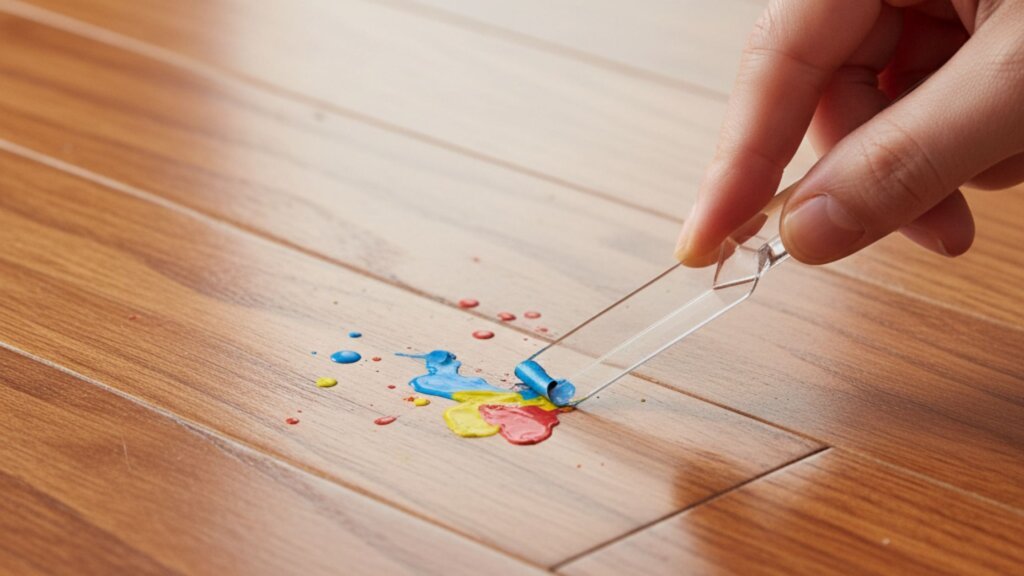
- Gently Scrape: For dried paint drips, use a plastic putty knife or an old credit card to gently pry the paint off the surface. The goal is to lift the paint drop without scratching the wood. Avoid metal scrapers, as they can easily gouge the floor.
- Apply Warm, Soapy Water: Mix a few drops of mild dish soap into a bowl of warm water. Dip a soft, clean cloth into the solution, wring it out so it’s damp but not dripping, and place it over the paint stain for a few minutes. This will soften the paint.
- Wipe and Rub: Gently rub the softened paint with the damp cloth. The paint should start to lift. You may need to apply a little pressure, but be careful not to scrub too hard.
- Dry the Area: Once the paint is gone, wipe the area with a clean, dry cloth to remove any moisture and soap residue.
For Oil-Based Paint
Oil-based paint requires a solvent to break it down. Be sure to work in a well-ventilated area.
- Start with a Scraper: Just like with latex paint, carefully scrape off as much of the dried paint as you can with a plastic tool.
- Apply a Solvent: Dampen a clean rag with rubbing alcohol or a commercial paint thinner.
- Rub Gently: Rub the paint stain with the solvent-dampened cloth. The paint should begin to dissolve and transfer to the rag. Use a clean section of the rag as you lift more paint to avoid spreading it around.
- Clean the Residue: After the paint is removed, wipe the area with a clean cloth dampened with water to remove any leftover solvent. Dry the spot thoroughly.
For Stubborn, Old Paint Stains
If soap and water or mild solvents don’t do the trick, you may need to bring in some heat.
- Use a Heat Source: A standard hair dryer on a high heat setting is often enough. Hold it a few inches away from the paint stain and move it back and forth to evenly heat and soften the paint. For very tough paint, a heat gun on its lowest setting can be used, but be extremely cautious—excessive heat can scorch the wood or damage the finish.
- Scrape While Soft: Once the paint becomes pliable, use your plastic scraper to gently lift it away.
- Clean Up: Wipe the area with a damp cloth to remove any remaining paint flecks or residue, then dry it completely.
Using Chemical Strippers
For floors with extensive paint coverage, a chemical paint stripper might be necessary. However, this is an aggressive method that should be a last resort. For more information, you can reference this guide from Bruce Flooring on removing paint from hardwood. These products can damage the floor’s finish and require refinishing afterward. If you’re at this stage, it might be time to call in a professional.
Protecting Yourself and Your Floors
Safety should always be your top priority when working with chemicals, heat, or potentially hazardous materials.
- Lead Paint Concerns: If your home was built before 1978, there’s a chance the paint you’re removing contains lead. Disturbing lead-based paint can create hazardous dust that is dangerous if inhaled or ingested. If you suspect you have lead paint, it is best to consult with a professional certified in lead-safe work practices.
- Ensure Good Ventilation: When using any solvents, thinners, or heat guns, always work in a well-ventilated area. Open windows and use fans to circulate fresh air and disperse fumes.
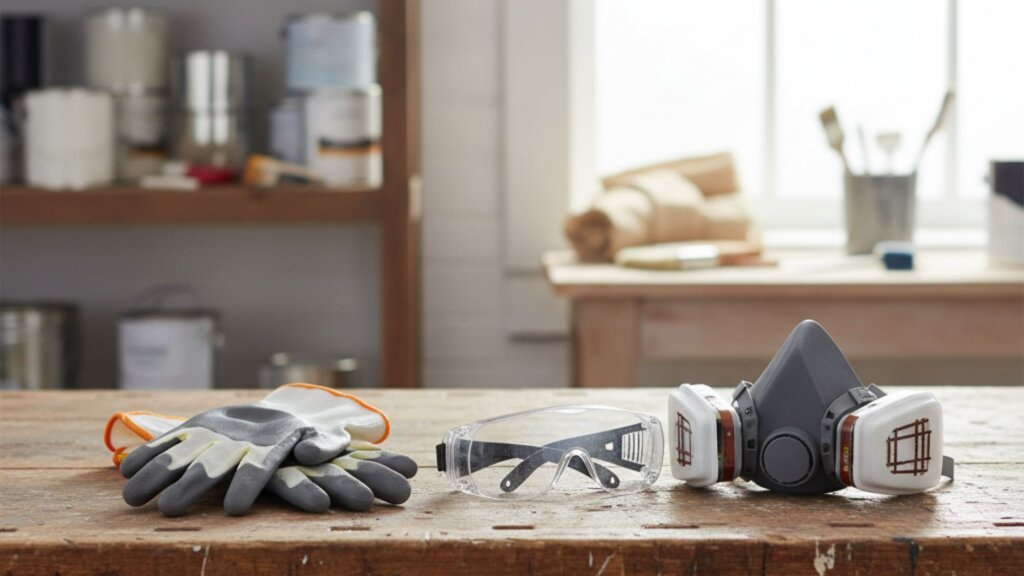
- Wear Protective Gear: Protect yourself by wearing rubber gloves to keep chemicals off your skin, safety goggles to shield your eyes from splashes, and a mask or respirator to avoid inhaling fumes or dust.
Exploring DIY and Professional Options
For small drips and splatters, the DIY methods described above are usually sufficient. However, for larger or more complex jobs, you might need to consider other options.
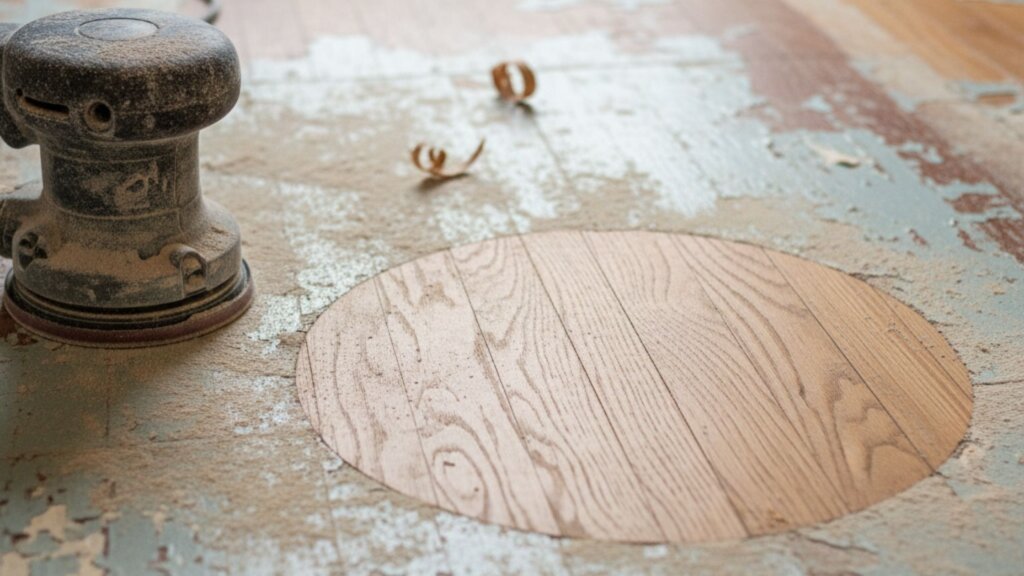
- Sanding: If an entire floor was painted, sanding is the most effective way to remove it all. This process removes the top layer of wood and is the first step in a complete floor refinishing project. This is a big job that requires specialized equipment and is often best left to professionals.
- Steam Removal: Some preservation experts recommend steam for removing paint from historic floors. As noted by the Preservation Trust of Vermont, steam can be a gentle way to lift paint while preserving the wood’s natural patina. This method requires a specific steam box or tool and a careful technique.
- Professional Restoration Services: When do you call a pro? If the paint covers a large area, if you suspect there is lead, or if you’re dealing with a delicate or valuable antique floor, hiring a professional is your safest bet. They have the experience and tools to do the job right without damaging your floors. For homeowners in Texas, the team at America’s General Contractor offers expert floor restoration services to handle these tough jobs.
How to Protect Your Wood Floors During Painting Projects
The best way to deal with paint spills is to prevent them from happening in the first place. A little preparation goes a long way.
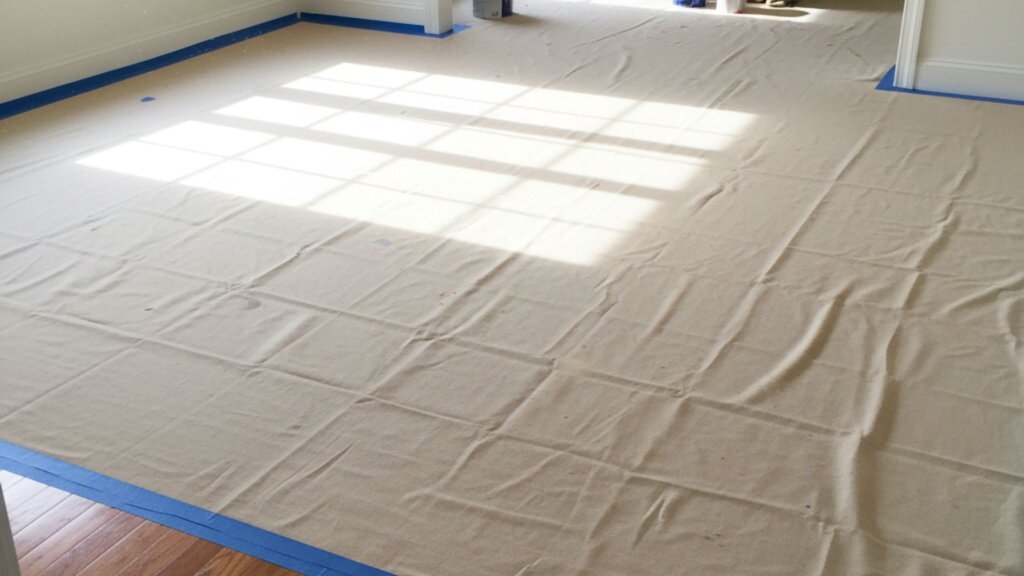
- Use Quality Drop Cloths: Cover your floors completely with canvas or plastic-lined drop cloths. Tape them down at the edges to ensure they don’t shift.
- Keep Paint Containers Secure: Place your paint tray or can in a larger cardboard box or on a plastic tray to catch any drips. Avoid placing open paint containers where they can be easily kicked or knocked over.
- Clean Up Spills Immediately: Accidents happen. If you do spill, wipe it up immediately while it’s still wet. It’s much easier to clean a fresh spill than a dried-on one.
Conclusion
Seeing paint on your hardwood floors doesn’t have to be a cause for despair. By taking a methodical approach—first identifying the paint and finish, then starting with the gentlest removal method—you can successfully restore your floors to their original condition. Remember to always prioritize safety and test your chosen technique in an inconspicuous area.
For small jobs, a little patience and the right household items are all you need. For larger, more complicated projects, or if you’re feeling unsure, don’t hesitate to call in the experts. Your wood floors are a valuable feature of your home, and investing in their proper care is always a wise decision.
Feeling overwhelmed by a paint spill or considering a full floor restoration? If you’re in the Dallas or greater Texas area, let the professionals help. Visit America’s General Contractor today for expert floor restoration services and get your hardwood looking its best.