
Granite countertops are a beautiful focal point in any bathroom or kitchen. They are worth the money because they last a long time and have interesting patterns. But over time, daily life can take its toll. The once-gleaming surface might start to look dull, or maybe you’ve noticed a few small scratches and stains that simple cleaning can’t fix.
If your granite has lost its original luster, don’t worry. You don’t necessarily have to replace it. You can get your countertops back to how they used to look with the correct tools and a little work. This guide will show you how to restore granite, from washing and polishing it to fixing small damage and putting on a new seal.
Whether you’re a DIY enthusiast or just want to understand what goes into professional restoration, this article has you covered. We’ll explore the steps needed to bring back that beautiful shine and provide tips to keep your granite looking new for years to come.
Table of Contents
Why Granite Countertops Need Restoration
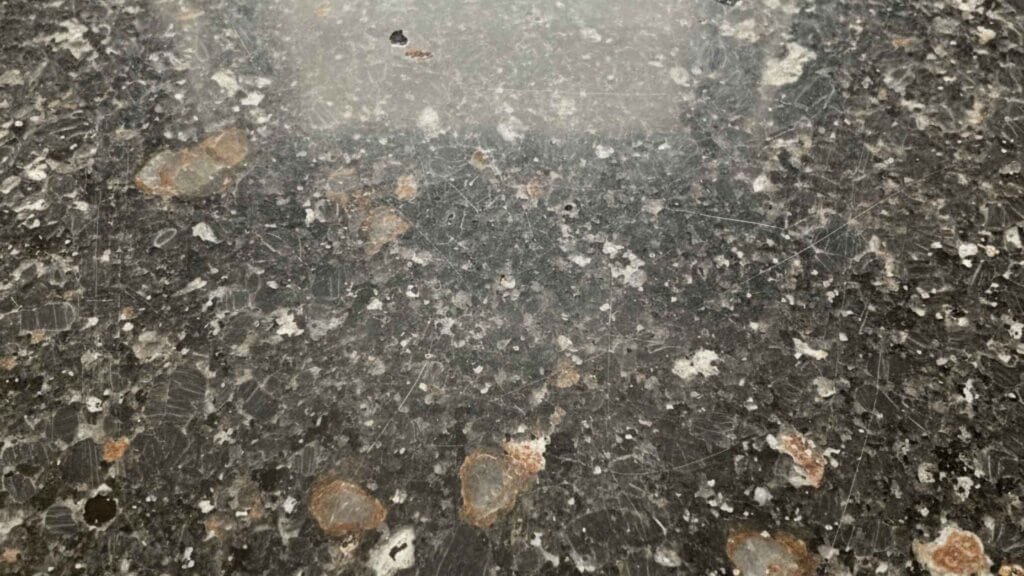
Granite is known for being tough, but it’s not indestructible. As a natural stone, it’s porous and can be susceptible to damage over the years. Normal wear and tear, spills, and improper care can slowly degrade its appearance. Understanding what causes this decline is the first step toward effective restoration.
Common signs that your granite countertops need attention include:
- Dullness or Loss of Shine: The most frequent issue is a loss of polish. This happens from daily use, especially from using harsh or acidic cleaners that strip away the sealant and etch the surface. Over time, the stone itself can become dull.
- Persistent Stains: Granite’s porous nature means it can absorb liquids. Spills like red wine, cooking oil, or coffee can seep into the stone if not wiped up quickly, leaving behind stubborn stains that regular cleaning won’t lift.
- Scratches and Etches: Dragging heavy pots, using knives directly on the surface, or dropping hard objects can cause scratches. Etching, which looks like a dull spot, is a chemical reaction caused by acidic substances like lemon juice or vinegar.
- Chips and Cracks: While granite is hard, a heavy impact near an edge or corner can cause it to chip. Stress cracks can also appear over time, especially around sink or cooktop cutouts.
Regular maintenance can certainly prolong the life of your countertops, but eventually, some level of restoration may be necessary. For homeowners in Dallas and across Texas, significant damage often requires a professional touch. At America’s General Contractor, we specialize in bringing old, tired granite back to life.
Essential Tools and Products for Granite Restoration
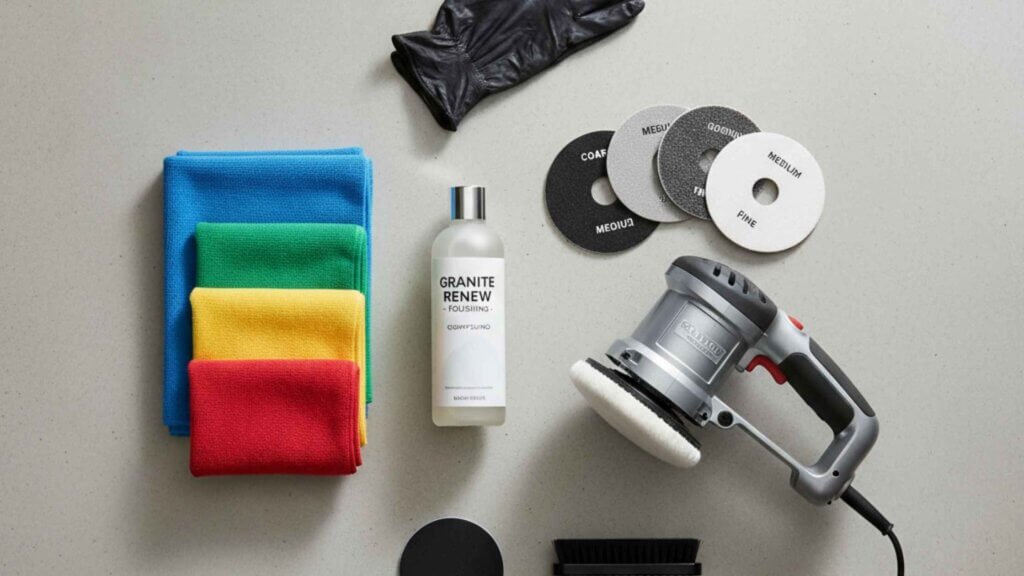
Before you begin any restoration project, gathering the right supplies is crucial. Using the wrong goods can make things worse, so it’s important to choose tools and chemicals specifically designed for natural stone.
Here’s a checklist of what you’ll need:
Cleaning and Repair Supplies
- pH-Neutral Granite Cleaner: This is essential for safely cleaning the surface without damaging the stone.
- Microfiber Cloths: You’ll need several soft, non-abrasive cloths for cleaning, applying products, and buffing.
- Acetone or Denatured Alcohol: These are effective for stripping off old sealant and deep cleaning the surface.
- Granite Chip and Crack Repair Kit: These kits usually contain an epoxy or acrylic resin that can be color-matched to your stone.
- Single-Edge Razor Blade: Useful for leveling off dried epoxy after filling a chip.
Polishing and Sealing Tools
- Granite Polishing Compound or Powder: These products contain fine abrasives that restore the stone’s shine.
- Variable-Speed Polisher/Grinder: For serious polishing, a power tool is much more effective than doing it by hand.
- Buffing Pads: You’ll need a set of felt or hog’s hair pads to attach to your polisher.
- High-Quality Granite Sealer: This is the final, most important step to protect your restored surface.
For a deeper dive into the specific tools professionals use, resources like Granite Heroes offer great insights.
How to Restore Granite Countertops: A Step-by-Step Process
Restoring granite countertops can be a multi-step process, especially if you’re dealing with more than just a dull surface. For the greatest results, be sure to follow these procedures exactly.
Step 1: Deep Clean and Strip the Surface
The first step is to prepare the granite by giving it a thorough cleaning. You need to remove not only dirt and grime but also any old, failing sealant.
- Initial Cleaning: Spray the entire countertop with a pH-neutral granite cleaner and wipe it down with a microfiber cloth.
- Strip the Old Sealer: Dampen a clean cloth with acetone or denatured alcohol and wipe down the entire surface. Work in small sections, as the alcohol will evaporate quickly. This process dissolves and removes any lingering sealant, waxes, or grease buildup, allowing you to work directly on the stone.
- Final Rinse: After stripping, rinse the countertop with clean water and dry it completely with a fresh microfiber cloth.
Step 2: Repair Chips and Cracks
If your countertop has any chips or cracks, now is the time to fix them.
- Prepare the Area: Clean the chipped or cracked area with acetone to ensure it’s free of dust and debris.
- Mix and Apply the Epoxy: Follow the instructions on your granite repair kit to mix the resin and hardener. If your kit includes coloring tints, add them sparingly until you get a close match to your granite’s color.
- Fill the Damage: Carefully apply the mixed epoxy into the chip or crack using a small applicator tool. Slightly overfill it, as the epoxy may shrink as it cures.
- Level the Surface: After the epoxy has fully cured (check the product’s instructions for timing), use a sharp razor blade held at a low angle to carefully scrape off the extra, making the repair level with the countertop surface .
Step 3: Polish the Countertop to Restore Shine
Polishing is what brings back that beautiful, reflective finish. This step can be done by hand for very small touch-ups, but for an entire countertop, a variable-speed polisher is highly recommended.
- Apply the Polishing Compound: Place a small amount of granite polishing compound or powder on the surface. If using a powder, mix it with a little water to create a paste-like consistency.
- Begin Polishing: Attach a buffing pad to your polisher and set it to a low speed. Work the compound into the stone in small, overlapping circular motions. Keep the polisher moving constantly to avoid creating heat buildup in one spot.
- Check Your Progress: As you work, the surface will start to become glossy. Wipe away the residue periodically to check the shine. Continue polishing until you achieve a uniform, reflective finish across the entire countertop.
- Clean Up: Once you’re satisfied with the polish, clean the surface thoroughly with water to remove all compound residue and dry it with a microfiber cloth. For more detail on this process, see this guide from Going Granite.
Step 4: Seal the Granite
Sealing is the final and most crucial step. It creates a protective barrier that helps prevent future stains and makes daily cleaning easier.
- Apply the Sealer: Pour a generous amount of high-quality granite sealer onto the surface.
- Spread Evenly: Use a clean, dry cloth or applicator to spread the sealer in a thin, even layer across the entire countertop. Don’t let it pool.
- Let it Penetrate: Allow the sealer to absorb into the stone for the time recommended by the manufacturer, typically 15-20 minutes.
- Remove Excess Sealer: This is a critical part of the process. After the penetration time, wipe away all excess sealer from the surface with a clean, dry microfiber cloth. If you leave excess sealer to dry on the surface, it will create a hazy, streaky film that is difficult to remove.
- Cure: Let the sealer cure completely. This can take anywhere from 24 to 72 hours, during which you should avoid placing anything on the countertops.
Tips for Maintaining Restored Granite Countertops
Once you’ve put in the work to restore your granite, you’ll want to keep it looking great for as long as possible. Proper maintenance is key.
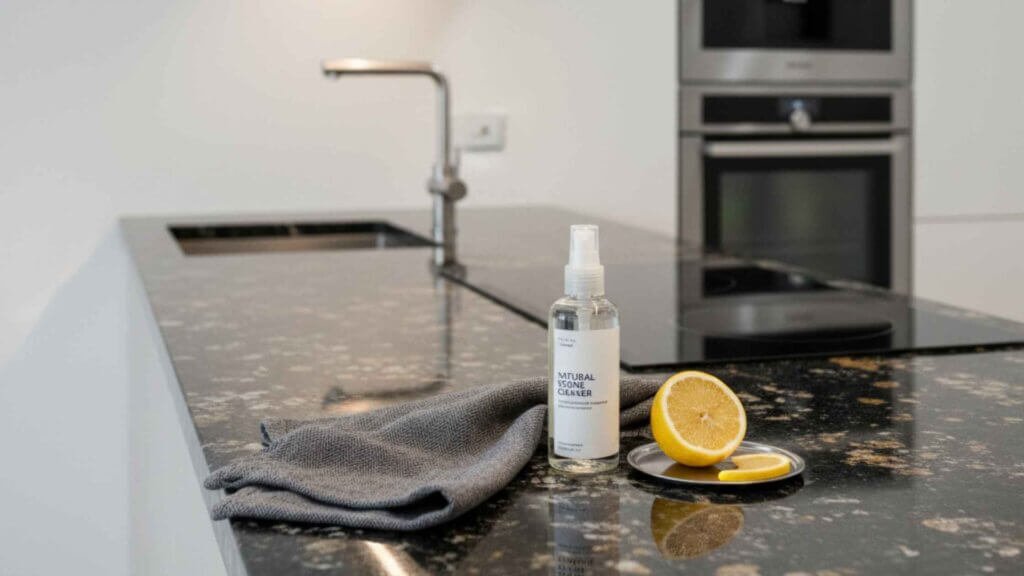
- Gentle Daily Cleaning: Wipe up spills immediately. For daily cleaning, use a soft cloth with warm water and a small amount of pH-neutral soap, or a dedicated stone cleaner.
- Use Protection: Always use coasters under glasses, trivets under hot pans, and cutting boards for food prep. This prevents scratches, stains, and damage from heat.
- Avoid Harsh Chemicals: Never use abrasive cleaners or acidic substances like vinegar, lemon juice, or ammonia. These will damage the sealant and can etch the stone itself.
- Test Your Seal Regularly: How do you know when it’s time to reseal? Do the water test. Pour a small puddle of water on the surface and wait for 15-20 minutes. If the water beads up, your seal is strong. If it darkens the stone, it’s absorbing into the granite, and it’s time to reseal. Most countertops in a busy kitchen need resealing every 1-3 years.
For homeowners who prefer a hands-off approach, America’s General Contractor offers professional maintenance plans that include sealing to keep your granite protected.
Common Mistakes to Avoid During Granite Restoration
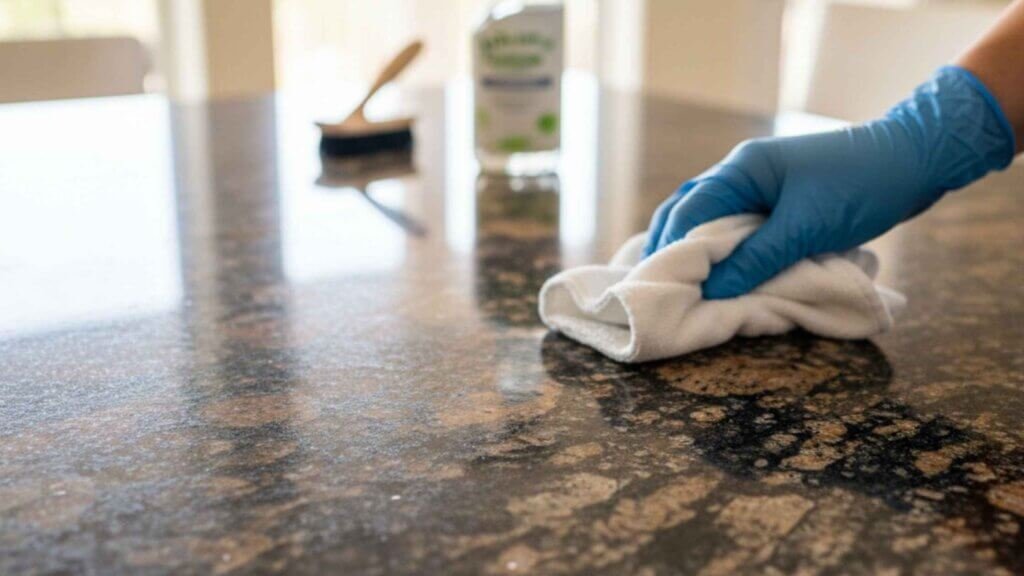
Restoring granite can be a rewarding DIY project, but there are pitfalls to avoid.
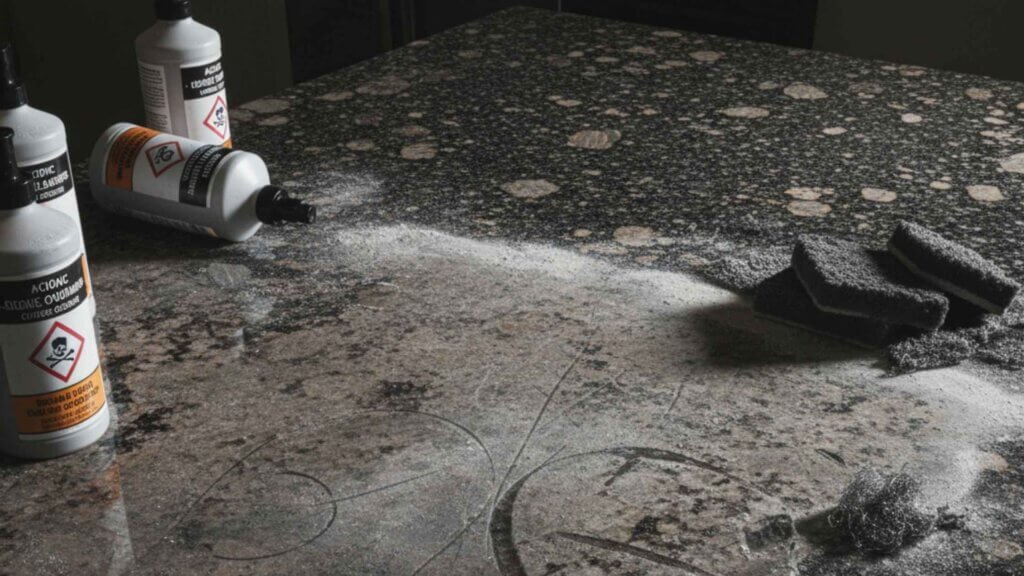
- Using the Wrong Tools: Never use metal scrapers or steel wool on granite, as they will cause deep scratches. Stick to plastic putty knives and non-abrasive pads.
- Skipping the Sealing Step: Polishing granite opens up its pores, leaving it highly vulnerable to stains. Failing to seal it properly after polishing is a recipe for disaster.
- Letting Sealer Dry on the Surface: As mentioned, any sealer that isn’t absorbed must be wiped away completely. A dried-on film of sealer looks terrible and requires harsh chemicals to remove.
- Trying to Fix Major Damage Yourself: While small chips are manageable, large cracks or deep scratches often require professional diamond grinding and honing. Attempting this yourself without experience can permanently damage the stone. For more on what can go wrong, review this guide from First Coast Contracting.
Your Questions About Granite Countertop Restoration Answered
How often should I restore my granite countertops?
A full restoration involving polishing is typically needed only every 5-15 years, depending on wear. However, resealing should be done much more frequently, usually every 1-3 years.
Can I restore granite countertops myself?
For minor issues like dullness or a small chip, a DIY restoration is very possible. However, for widespread deep scratches, significant damage, or if you’re uncomfortable using power tools, it’s best to hire a professional.
What’s the best way to remove deep stains before restoration?
For organic stains (like wine or coffee) or oil stains, you can use a poultice. Make a thick paste of baking soda and water (for oil stains) or hydrogen peroxide (for organic stains). Apply it to the stain, cover it with plastic wrap for 24 hours, then let it dry and scrape it off.
Is polishing the same as cleaning?
No. Cleaning removes dirt from the surface. Polishing is an abrasive process that physically removes a microscopic layer of the stone to create a smooth, reflective surface.
Conclusion
Restoring your granite countertops is an effective way to bring back the “wow” factor to your kitchen or bathroom without the cost of a full replacement. By following a careful process of deep cleaning, repairing, polishing, and sealing, you can erase years of wear and tear and reveal the stone’s natural beauty once again.
While a DIY approach can work for minor touch-ups, remember that granite restoration can be a labor-intensive process that requires specific tools and a good deal of care. For extensive damage or for those who want a flawless, factory-like finish, professional help is often the best investment.
Ready to give your granite countertops a new lease on life?
If you’re in the Dallas area and facing dull, stained, or damaged granite, contact the experts. Visit America’s General Contractor to learn more about our professional granite restoration services. We have the tools and experience to make your countertops look brand new again.