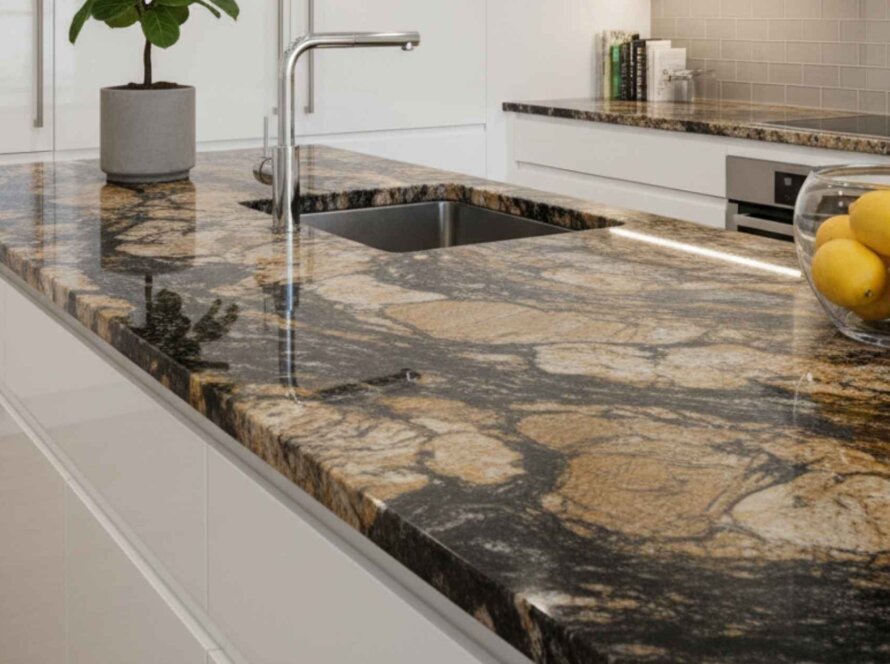
Granite countertops are often the star of the show in a kitchen or bathroom. Their natural beauty, unique patterns, and durability make them a top choice for homeowners across Texas. But for all their strength, granite surfaces have an Achilles’ heel: stains.
There is a sinking feeling that comes when you lift a wine glass and see a red ring left behind on your beautiful stone island. Or perhaps you were cooking a family dinner and didn’t notice a splatter of oil until the next morning, when it had already darkened the stone.
If this sounds familiar, don’t panic. While granite is porous, most stains aren’t permanent. With the right know-how and a little elbow grease, you can restore your countertops to their original glory.
In this guide, we will walk you through exactly how to clean stains from granite countertops. We will cover why staining happens, the specific tools you need, and a step-by-step process for removing everything from cooking oil to coffee rings. We will also share how to prevent future mishaps so your kitchen stays looking pristine.
Understanding Why Granite Countertops Stain and How to Protect Them
Before we dive into cleaning, it helps to understand the “why.” Granite is a natural stone, which means it is porous. Imagine it like a hard sponge. It has tiny little microscopic channels that can absorb liquids if they sit on the surface for too long.
When a liquid like red wine or olive oil penetrates these pores, it creates a discoloration below the surface level. This is why simply wiping the counter with a wet rag often doesn’t fix the problem—the stain isn’t on the granite; it’s in the granite.
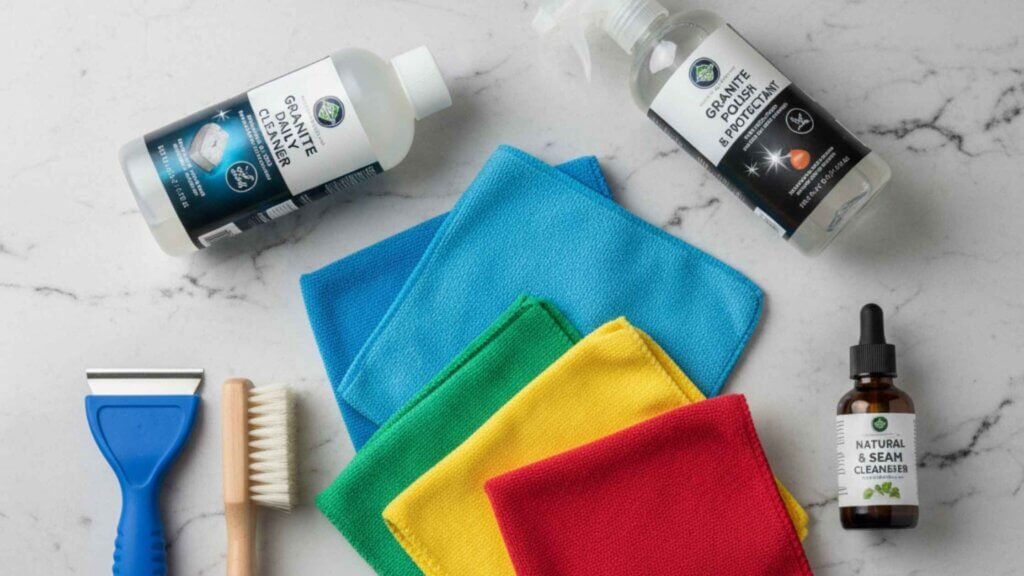
Common Culprits of Granite Stains
Not all stains are created equal. Different substances affect the stone in different ways:
- Oil-Based Stains: Cooking oil, grease, butter, and milk are the most common offenders in the kitchen. They tend to darken the stone and can be stubborn to lift.
- Organic Stains: Coffee, tea, wine, fruit juice, and food spills often leave a pinkish-brown mark.
- Rust Stains: If you leave a metal can (like shaving cream or a wet cast iron pan) on the counter, it can leave an orange or brown rust ring.
- Ink Stains: A leaky pen or a permanent marker mishap can leave sharp, distinct marks.
Prevention is the Best Medicine
The best way to deal with stains is to stop them from happening in the first place. Here is how you can protect your investment:
- Seal Your Granite Regularly: Sealing creates a protective barrier that buys you time to wipe up spills before they sink in. Most experts recommend resealing every 6–12 months.
- Wipe Spills Immediately: The longer a liquid sits, the deeper it goes. Make it a habit to wipe up messes as soon as they happen.
- Use Protection: Always use coasters under glasses, trivets under hot pans, and cutting boards for food prep.
If you are unsure if your granite is properly sealed, or if you don’t have the time to do it yourself, professional help is available. At America’s General Contractor, we offer specialized granite cleaning and sealing services for homeowners in Dallas and throughout Texas to keep your surfaces protected.
Essential Tools and Products for Cleaning Granite Stains
You don’t need a degree in chemistry to clean granite, but you do need the right supplies. Using the wrong products can actually make things worse by damaging the seal or etching the stone.
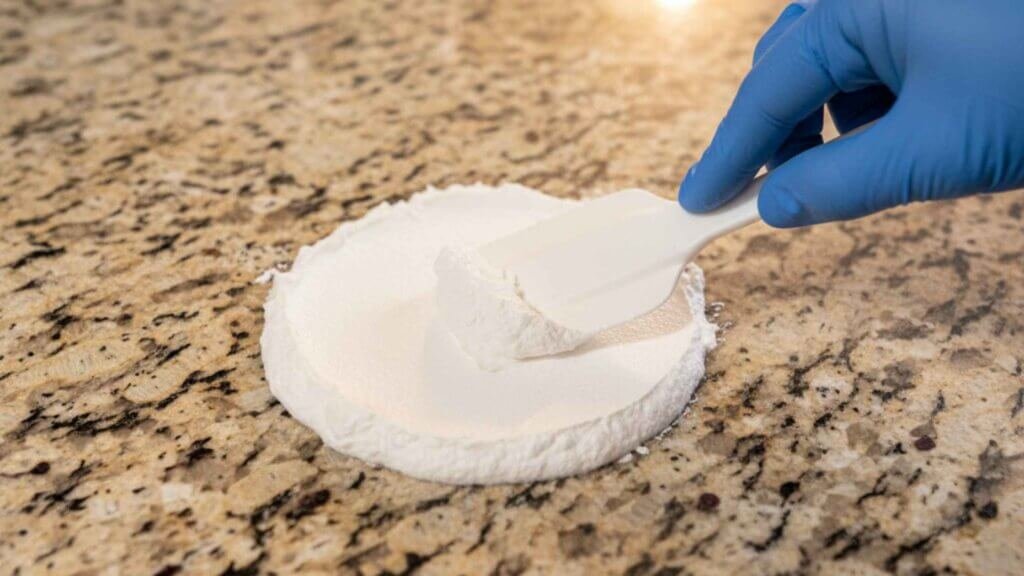
The Cleaning Toolkit
Gather these items before you start:
- Microfiber Cloths: These are soft and won’t scratch the surface.
- Plastic Scraper or Putty Knife: Useful for gently lifting dried food or gunk without digging into the stone.
- Soft-Bristle Brush: An old toothbrush works wonders for small areas.
- Plastic Wrap and Tape: You will need these for the “poultice” method (more on that later).
- Small Bowl and Spoon: For mixing your cleaning paste.
The Right Products
- pH-Neutral Granite Cleaner: Avoid generic household cleaners. Look for products specifically labeled for natural stone.
- Baking Soda: The hero of DIY stain removal. It’s absorbent and gentle.
- Hydrogen Peroxide: Great for organic stains on light-colored granite.
- Acetone or Rubbing Alcohol: Effective for ink or oil-based stains on darker granite.
- Commercial Stain Remover: Products like those from Stone Care International are formulated to tackle tough spots.
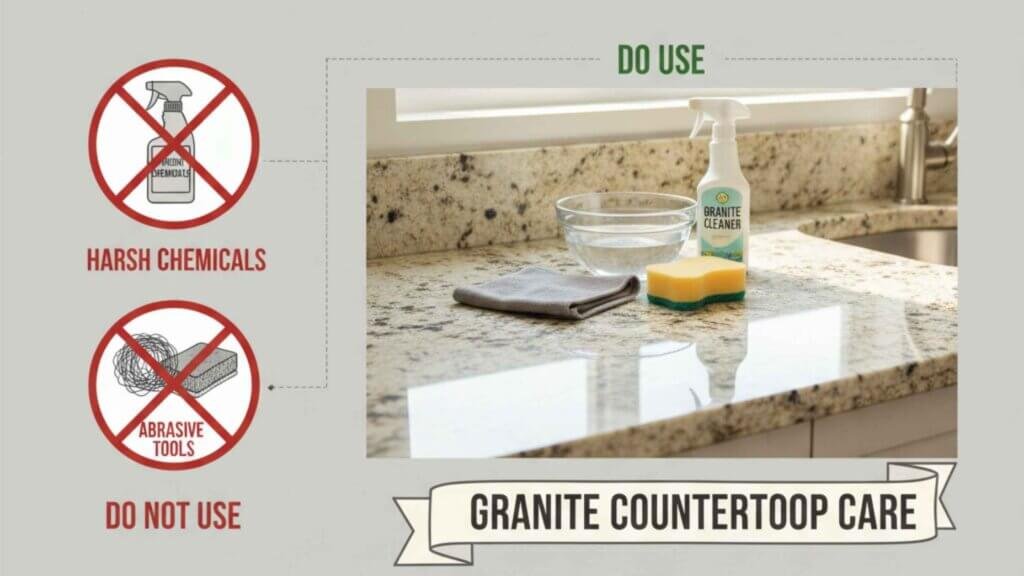
Warning: Never use harsh chemicals like bleach, ammonia, vinegar, or lemon juice on granite. Acidic substances (like vinegar and lemon) can “etch” the stone, leaving dull, rough spots that are much harder to fix than a simple stain.
How to Remove Stains from Granite Countertops: A Step-by-Step Process
Now, let’s get to the work. The method for cleaning a stain depends heavily on what caused it. However, for deep-set stains, the most effective technique is using a poultice. A poultice is a thick paste that draws the stain out of the stone as it dries.
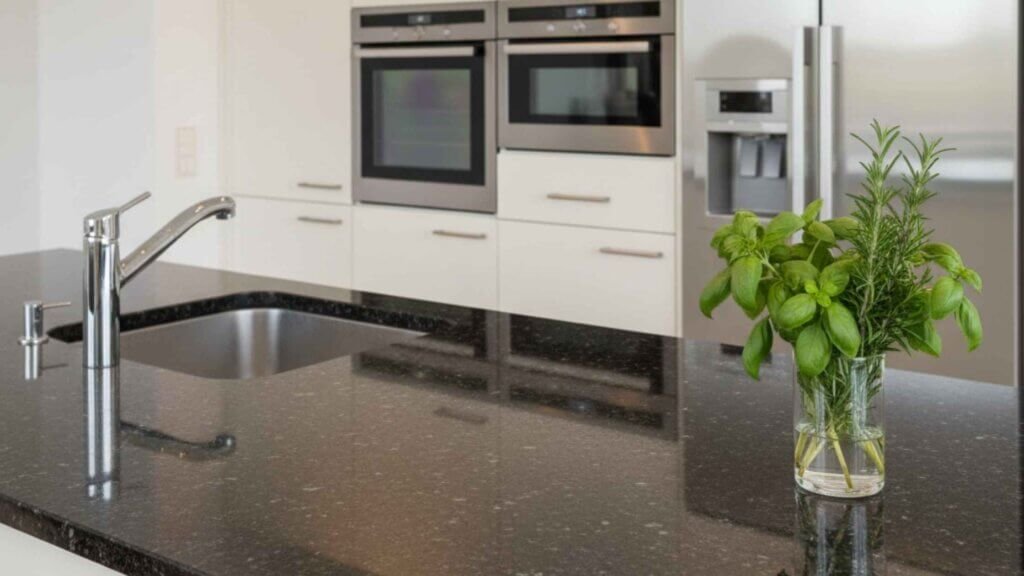
Here is the step-by-step process for using a poultice to clean granite stains.
Step 1: Identify the Stain Type
Knowing what you are up against helps you choose the right solvent to mix with your baking soda.
- Oil-Based (Grease, Oil, Milk): Use Baking Soda + Water (or Acetone for tough spots).
- Organic (Coffee, Fruit, Tea): Use Baking Soda + Hydrogen Peroxide.
- Rust: This is tricky. You often need a commercial rust remover designed for granite.
- Ink/Marker: Use Baking Soda + Rubbing Alcohol.
Step 2: Clean and Prepare the Surface
Wipe the stained area with a standard granite cleaner to remove any surface debris. Dry it thoroughly with a microfiber cloth.
Step 3: Create the Poultice
In your small bowl, mix the baking soda with your chosen liquid (water, peroxide, etc.). You want to create a paste with the consistency of peanut butter or sour cream. It should be thick, not runny.
Step 4: Apply the Paste
Slather the paste over the stain. Don’t be shy—you want a layer about ¼ to ½ inch thick. Make sure the paste extends past the stain by about an inch in every direction.
Step 5: Cover and Wait
Place a piece of plastic wrap over the paste. Tape down the edges of the plastic wrap with masking tape or painter’s tape. This seals the moisture in.
- The Waiting Game: Let this sit for 24 hours. The poultice needs time to loosen the stain particles.
Step 6: Remove the Plastic and Dry
After 24 hours, remove the plastic wrap and tape. Do not wipe the paste away yet. The paste will likely still be damp. Let it sit uncovered for another 24 hours (or until it is completely dry and hard).
- Why this matters: As the paste dries, it pulls the moisture—and the stain—out of the stone and into the baking soda.
Step 7: Scrape and Rinse
Once the paste is completely dry, use your plastic scraper to gently lift it off the counter. Rinse the area with water and dry it with a soft cloth.
Is the stain still there?
If the stain has faded but is not completely gone, you may need to repeat the process. Deep oil stains sometimes take 2 or 3 attempts to fully remove.
For more detailed guides on specific types of stains, resources like MSI Surfaces offer excellent advice.
Tips for Maintaining a Stain-Free Granite Countertop
Once you have done the hard work of removing a stain, you want to make sure it doesn’t come back. Maintenance is key to keeping granite looking luxurious for years.
Daily Cleaning Routine
Consistency is your best friend.
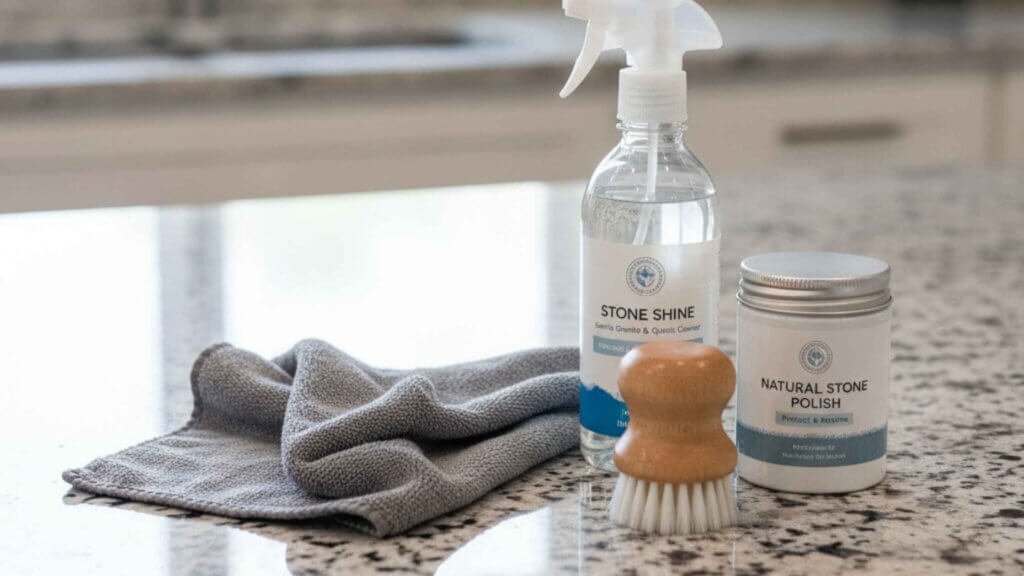
- Use the Right Cleaner: Keep a spray bottle of pH-neutral granite cleaner under the sink. Use it daily to wipe down counters after cooking.
- Soft Cloths Only: Avoid abrasive scrubbing pads (like the green side of a sponge) or steel wool. Over time, these can create tiny scratches that dull the shine and trap dirt.
The Water Test
How do you know if your sealer is still working? Do the water test.
- Pour a small puddle of water (about 3 inches wide) on the granite.
- Wait 15–20 minutes.
- Wipe it up.
If the area under the water is darkened, your granite is absorbing liquid, and it’s time to reseal. If the stone looks the same, your seal is still good.
Resealing is Crucial
Granite isn’t a “set it and forget it” material. In a busy kitchen, the protective seal wears down over time.
- DIY Sealing: You can buy granite sealer at a hardware store. It’s a simple wipe-on, wipe-off process.
- Professional Sealing: For a longer-lasting, commercial-grade seal, consider hiring professionals. This is especially helpful for large kitchens or exotic stones that are more porous.
At America’s General Contractor, we help homeowners in the Dallas/Fort Worth area protect their investment with professional sealing services that provide superior durability compared to off-the-shelf products.
Common Mistakes to Avoid When Cleaning Granite Countertops
Even well-meaning homeowners can accidentally damage their stone. Here are the pitfalls to avoid.
1. Using “Natural” Cleaners like Vinegar
We often hear that vinegar is a great all-purpose cleaner. While that’s true for windows, it’s terrible for granite. The acid in vinegar eats away at the sealant and dulls the stone’s polish. Stick to soap and water or specialized stone cleaners.
2. Scrubbing Too Hard
If a stain is stubborn, your instinct might be to scrub harder. Resist the urge. Aggressive scrubbing can scratch the surface. Let the chemical reaction of the poultice do the work for you.
3. Ignoring Small Stains
“I’ll deal with that later” is a dangerous phrase. A small dark spot from cooking oil might look harmless now, but over months, it can spread and deepen, becoming much harder to remove. Tackle stains as soon as you see them.
4. Waiting Too Long to Reseal
If you notice water stops beading up on the surface, don’t wait another six months. The longer you leave unsealed granite exposed, the higher the risk of a permanent stain.
Frequently Asked Questions About Cleaning Granite Countertops
Can I use Windex on granite?
Generally, no. Most glass cleaners contain ammonia, which can strip away the protective sealant over time. If you must use a glass cleaner, ensure it is specifically labeled “ammonia-free” or safe for natural stone.
How do I get scratches out of granite?
Surface stains are one thing; scratches are another. You can buff out very light surface scratches with fine steel wool (grade #0000), but deep scratches usually require professional polishing with diamond abrasives.
What is the hardest stain to remove from granite?
Rust is notoriously difficult. It isn’t just a surface mark; it’s a chemical reaction within the stone. If a homemade poultice doesn’t remove a rust stain, you likely need a professional-grade rust remover or help from a stone restoration specialist.
Is soap and water enough for daily cleaning?
Yes! Mild dish soap and warm water are perfectly safe for granite. Just make sure to rinse well to avoid soap scum buildup, which can make your counters look dull.
Conclusion
Your granite countertops are an investment in your home’s value and beauty. While stains can be stressful, they are rarely the end of the world. By understanding the nature of the stone and using the right techniques—like the poultice method—you can tackle almost any spill life throws your way.
Remember, the secret to a spotless kitchen isn’t just cleaning; it’s maintenance. Regular sealing and gentle daily care will keep your granite sparkling for decades.
However, sometimes a stain is just too stubborn, or life gets too busy to manage the maintenance yourself. If you are struggling with deep stains, dull surfaces, or just want the peace of mind that comes with professional care, we are here to help.
Ready to restore your kitchen’s shine?
Visit America’s General Contractor today. We specialize in professional granite cleaning, sealing, and restoration services across Dallas and Texas. Let us do the heavy lifting so you can get back to enjoying your beautiful home!